
Introduction: Why Are Additives Important in Rubber and Plastic Production?
A polymer alone cannot always provide all the properties required for an industrial product. Manufacturers may need higher mechanical strength, better abrasion resistance, improved processability, lower weight, or greater thermal and chemical resistance. This is where rubber and plastic additives become an essential part of polymer formulations.
Depending on their type, additives can serve very different functions. Some, such as ULTRASIL, act as fillers and reinforcing agents. Others, such as PVI, control the onset of vulcanization. DCP creates crosslinked polymer networks, while AZO generates gas to produce lightweight cellular structures.
Therefore, selecting the right additive should be based on the polymer type, production process, and required properties of the final product.
In this article, we examine four additives available in Hamiico’s product portfolio and explain how each one affects rubber or plastic properties and where it is commonly used.
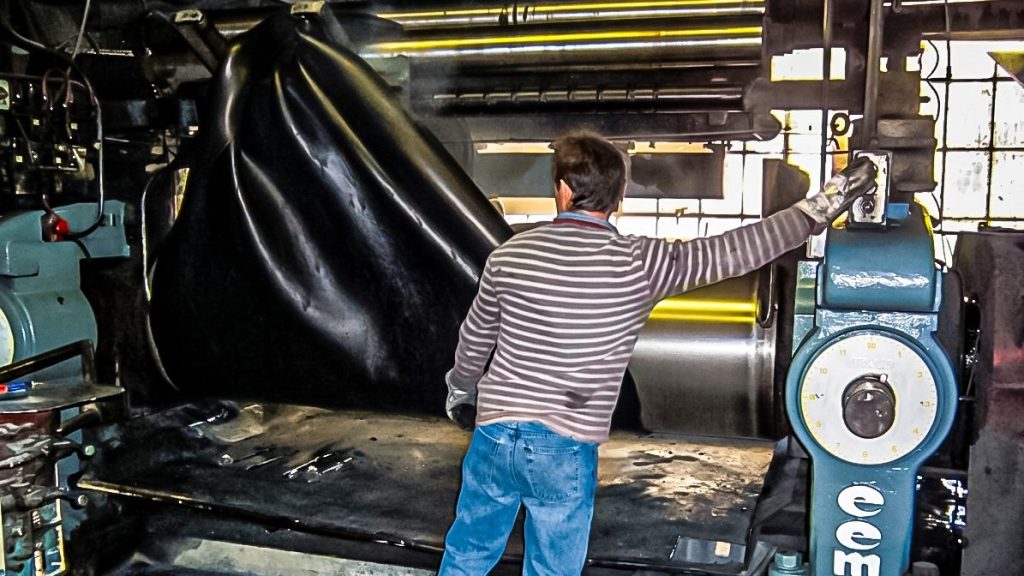
PVI: Vulcanization Control and Prevention of Premature Curing
PVI, or N-Cyclohexylthiophthalimide, is an important additive used in rubber formulations. It is known as a scorch retarder and is primarily used to prevent premature curing during mixing, extrusion, shaping, and storage of rubber compounds.
In rubber production, if the vulcanization system becomes active before the compound reaches the mold, a phenomenon known as scorch can occur. This reduces compound flowability and makes processing and shaping more difficult.
PVI increases scorch time and provides an additional processing safety margin, allowing the rubber compound to remain processable for a longer period. However, increasing scorch time may also affect the optimum curing time.
From an industrial perspective, this property is particularly important when manufacturing complex rubber products or when mixing, extrusion, or molding processes require extended processing times.
PVI can be used in the production of tires, belts, hoses, molded rubber components, and other technical rubber products. It is also used in compounds based on NR, SBR, and BR.
Main Industrial Applications of PVI
- Automotive and industrial tires
- Power transmission belts
- Rubber hoses
- Molded rubber components
- Technical rubber products
- NR, SBR, and BR compounds
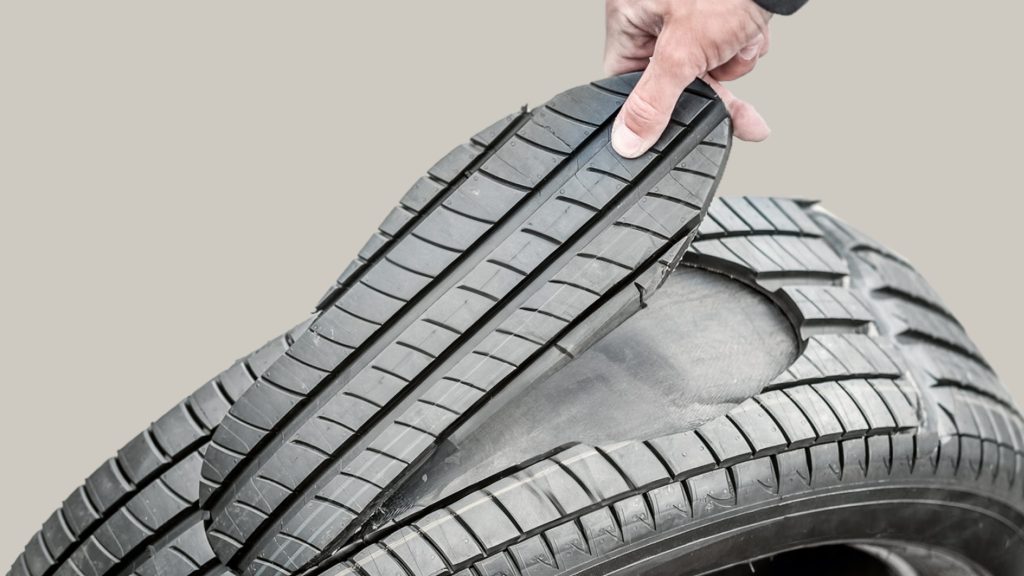
ULTRASIL: Improving Rubber Strength and Abrasion Resistance
ULTRASIL is a precipitated silica used as an active filler and reinforcing agent in rubber compounds. It has been developed for applications in the tire and rubber industries and can contribute to improved reinforcement, tear resistance, and other mechanical properties.
One of the key effects of ULTRASIL is its ability to improve mechanical strength and abrasion resistance. The final performance depends on factors such as silica type, specific surface area, loading level, and dispersion within the polymer matrix.
In silica/silane systems, silane can create chemical interactions between the silica surface and rubber chains, improving the reinforcing performance of silica.
ULTRASIL has particular importance in the tire industry. The combination of silica and silane in tread compounds can help achieve a balance between improved wet grip and lower rolling resistance, which is important for the development of fuel-efficient tires.
ULTRASIL is also used in applications such as tire compounds, shoe soles, conveyor belts, hoses, seals, and technical rubber components.
Main Industrial Applications of ULTRASIL
- Tire tread compounds
- Conveyor belts
- Hoses and seals
- Shoe soles
- Technical rubber components
- Cable insulation and sheathing
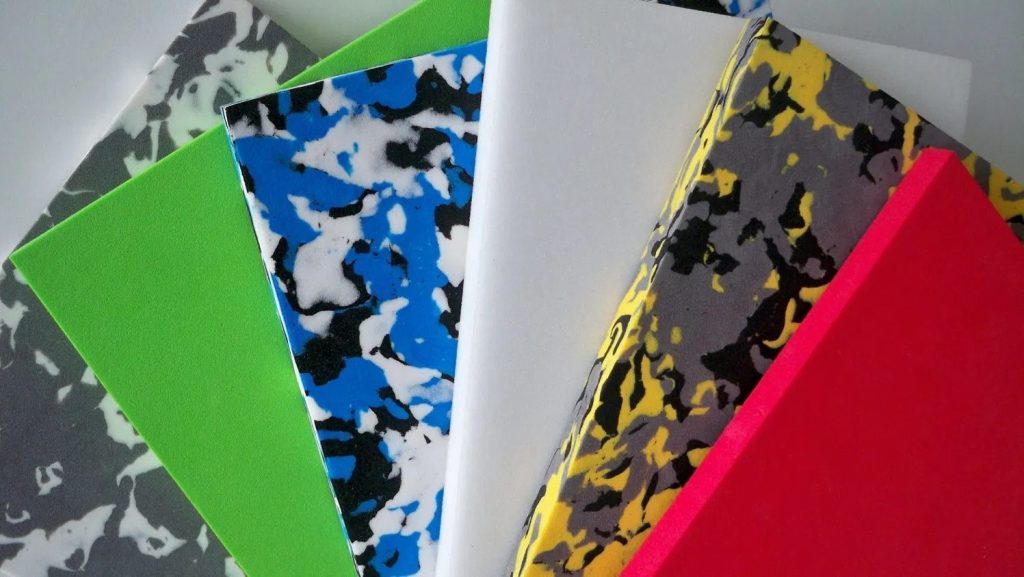
AZO: Creating Cellular Structures and Reducing Product Weight
AZO, or Azodicarbonamide, is a chemical blowing agent used in the production of foamed rubber and plastic products.
When heated, AZO decomposes and generates gas. The gas becomes trapped inside the polymer matrix and forms gas cells, transforming the original solid material into a lightweight cellular structure.
One of the main advantages of AZO is its ability to reduce product density and weight. The resulting cellular structure can also contribute to properties such as impact absorption, flexibility, and thermal and acoustic insulation.
However, the final result depends on the blowing agent concentration, polymer type, processing temperature, and curing conditions. Incorrect processing conditions may result in undesirable cell structures or reduced surface quality.
AZO can be used with materials such as EVA, PE, PVC, and certain rubber compounds. Applications include EVA and PE foams, shoe soles, lightweight rubber components, automotive parts, and thermoplastic elastomers.
Main Industrial Applications of AZO
- Shoe soles and insoles
- EVA foam
- PE foam
- Foam flooring
- Automotive interior components
- Thermal and acoustic insulation
- Lightweight rubber seals and components
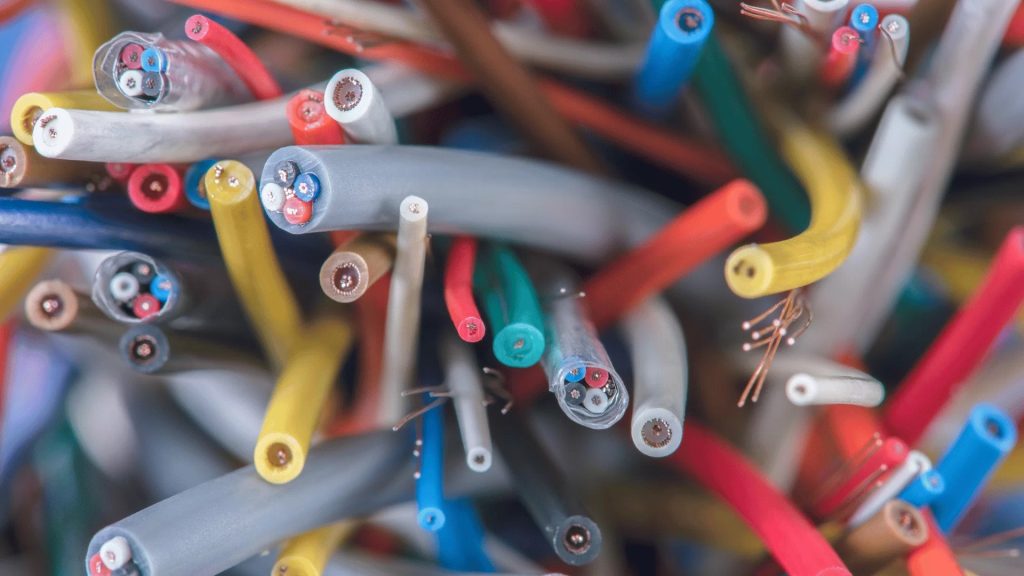
DCP: Creating Crosslinks and Improving Rubber and Plastic Resistance
DCP, or Dicumyl Peroxide, is an organic peroxide used as a crosslinking and curing agent in the rubber and plastics industries.
When heated, DCP decomposes and generates radicals that can initiate crosslinking reactions between polymer chains.
The formation of a crosslinked network can significantly change polymer behavior. Depending on the polymer and formulation, crosslinking can improve thermal resistance, chemical resistance, dimensional stability, abrasion resistance, and elastic properties.
DCP is used with various rubber compounds as well as polymers such as PE and EVA. In the wire and cable industry, peroxide crosslinking of polyethylene is particularly important for producing XLPE materials.
DCP is also used in applications involving EVA, silicone, rubber compounds, hoses, wires and cables, molded components, seals, and technical rubber products.
Main Industrial Applications of DCP
- XLPE production
- Wire and cable insulation
- EVA foam production
- Automotive rubber components
- Hoses
- Building profiles
- Seals and gaskets
- Technical rubber components
Comparing the Four Additives
These four materials address four different formulation requirements: process control, reinforcement, lightweighting, and crosslinking.
Therefore, one additive cannot simply be considered a replacement for another. The appropriate choice depends on the polymer, production process, formulation, and required properties of the final product.
| Additive | English Name | Main Role | Key Effect | Typical Application |
|---|---|---|---|---|
| PVI | N-Cyclohexylthiophthalimide | Scorch retarder | Increased scorch time and process control | Tires and rubber components |
| ULTRASIL | Precipitated Silica | Reinforcing filler | Improved strength and abrasion resistance | Tires, belts, and hoses |
| AZO | Azodicarbonamide | Blowing agent | Lower density and cellular structure | EVA and shoe soles |
| DCP | Dicumyl Peroxide | Crosslinking and curing agent | Increased crosslinking and thermal resistance | XLPE, EVA, and rubber |
How to Select the Right Additive for Rubber or Plastic
Additive selection should begin during the formulation design stage. First, manufacturers need to determine the required properties of the final product.
For example, abrasion resistance, wet grip, and rolling resistance are important considerations in tire compounds, while low weight and impact absorption may be more important for shoe soles.
The next step is to identify the polymer type and curing system. PVI is primarily used to control vulcanization systems in rubber, while DCP is used in peroxide curing systems and for crosslinking certain rubbers and polymers. ULTRASIL becomes particularly important when reinforcement and mechanical performance are required.
Finally, factors such as dosage, particle size, dispersion, processing temperature, and compatibility with other formulation ingredients should be evaluated through laboratory testing.
Using a high-quality additive alone does not guarantee the desired final performance. Correct formulation and controlled processing are equally important.
Conclusion: How Do Different Additives Affect Rubber and Plastic Properties?
Different additives can significantly modify the performance of rubber and plastic materials by changing their curing process, structure, mechanical properties, or density.
PVI is primarily used to control vulcanization and prevent premature curing. ULTRASIL acts as a reinforcing filler and can improve strength, abrasion resistance, and dynamic performance. AZO is used to create cellular structures and reduce the weight of foamed products. DCP creates crosslinks that can improve the thermal, chemical, mechanical, and dimensional properties of certain rubbers and plastics.
There is no single additive that is the best choice for every rubber or plastic application. The right selection should be based on the polymer type, production process, curing system, formulation, and target properties.
The correct combination of raw materials and additives can have a direct impact on the quality, durability, weight, safety, and service life of the final product.
Frequently Asked Questions
Additives can significantly influence both the manufacturing process and the final properties of polymer materials. Depending on the additive, they can improve processability, increase mechanical strength and abrasion resistance, reduce weight and density, create cellular structures, or improve thermal and chemical resistance.
Each additive serves a different function in polymer formulations. PVI helps prevent premature curing and control vulcanization; ULTRASIL is a precipitated silica used as a reinforcing filler to improve mechanical properties and abrasion resistance; AZO is a chemical blowing agent used to produce lightweight foamed products; and DCP is a curing and crosslinking agent that creates crosslinked polymer networks.
The right additive should be selected based on the polymer type, curing system, production process, and required final properties. Factors such as dosage, dispersion, processing temperature, and compatibility with other formulation components should also be evaluated through laboratory testing.









One Response
Great and informative article! The clear explanation of PVI, ULTRASIL, AZO, and DCP makes it especially useful for understanding the role of additives in rubber and polymer applications.