The cords inside a tire, the foam in a car seat, and the sole of a running shoe seem to have nothing in common, yet one shared raw material goes into all three: adipic acid.
Its name is rarely heard, but adipic acid is one of the most widely used industrial acids in the world, and without it a large part of the nylon and polyurethane industries would come to a halt. In this article, we explain what adipic acid is, how it is made, and which industries rely on it.
What Is Adipic Acid?
Adipic acid is a dicarboxylic acid with the chemical formula C6H10O4. Its molecule is a six-carbon chain with an acid group at each end. This two-ended structure lets it link with other molecules into long chains, which makes it one of the key building blocks of polymers.
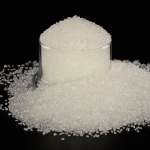
Adipic acid is supplied as a white, nearly odorless crystalline powder. It is only slightly soluble in cold water, dissolves better in hot water, and melts at around 152 °C.
How Is Adipic Acid Made?
Most of the world’s adipic acid is made from cyclohexane, a petroleum derivative. First, cyclohexane is oxidized with air to produce a mixture of cyclohexanol and cyclohexanone. Then this mixture is oxidized with nitric acid to form adipic acid.
One by-product of this process is nitrous oxide, a greenhouse gas. For this reason, modern producers use emission abatement systems, and bio-based production routes are also under development.
Industrial Uses of Adipic Acid
Nylon 66 Production
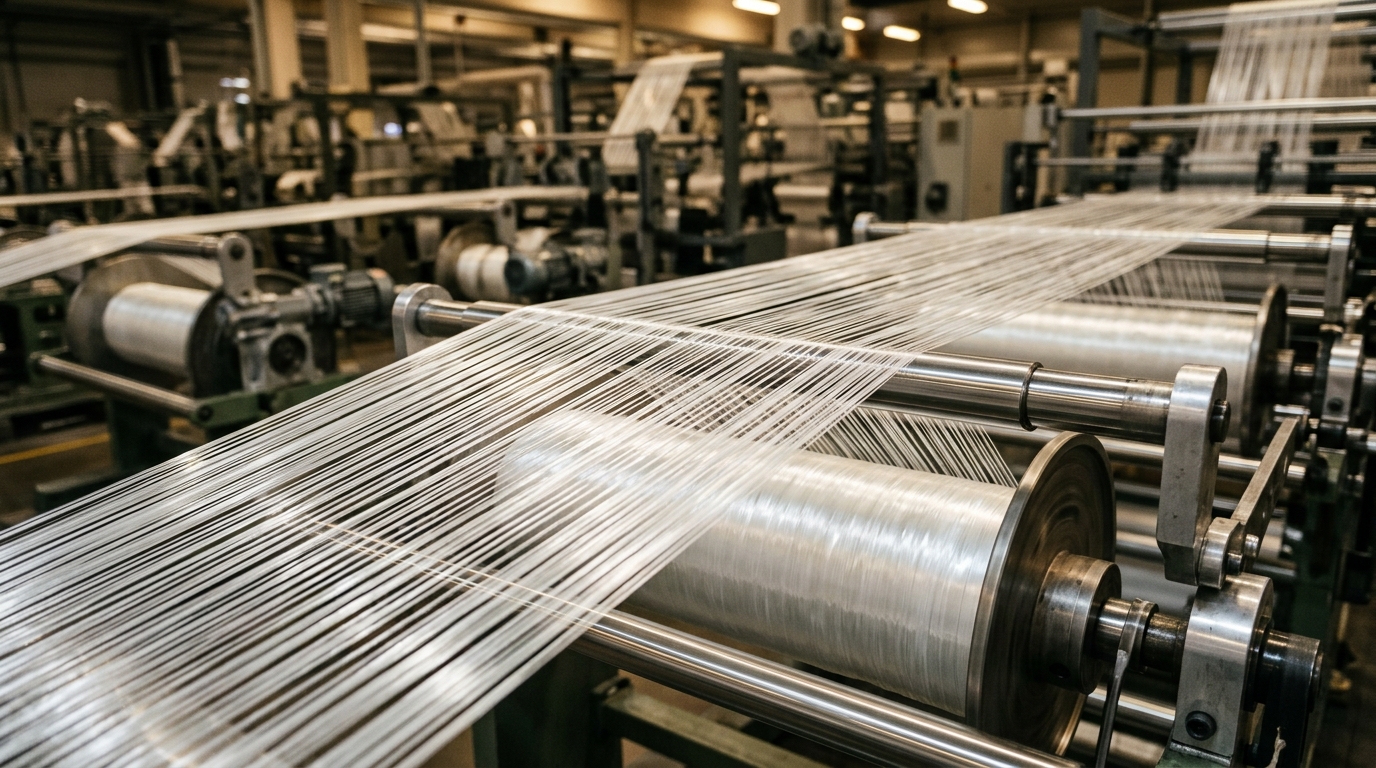
Most of the adipic acid produced worldwide goes into nylon 66. In this process, adipic acid reacts with hexamethylenediamine. That is where the name 66 comes from: both raw materials have six carbon atoms.
Nylon 66 offers high strength, good heat resistance, and long durability. It is used in tire cord, airbags, carpets, industrial ropes, and engineering parts such as gears and under-the-hood components. To learn more about this polymer, read our article on PA6 vs PA66.
Polyurethane Industry

When adipic acid reacts with glycols, it forms polyester polyols, one of the main components of polyurethane. Polyurethanes made this way have good abrasion resistance and mechanical strength, and are used in shoe soles, industrial elastomers, polyurethane wheels, semi-rigid foams, coatings, and adhesives.
PVC Plasticizers
Esters made from adipic acid, known as adipates, are used as plasticizers in PVC. Their main advantage is keeping the material flexible at low temperatures. This is why they are used in hoses, cables, packaging films, and products that work in cold conditions.
Resins and Coatings
In polyester and alkyd resins, adipic acid improves the flexibility of the final film and helps prevent cracking. These resins are used in industrial paints, powder coatings, and lacquers.
Food Industry and Other Uses
Under the code E355, adipic acid is used as an acidity regulator and sour flavoring in some gelatin desserts, drink powders, and leavening agents. Keep in mind that food-grade and industrial-grade adipic acid are not interchangeable, and only approved food grade should be used in food products.
Other uses include synthetic lubricants, cleaning and descaling products, and some pharmaceutical applications.
Summary of Applications
| Industry | Role of Adipic Acid | End Products |
|---|---|---|
| Textiles and automotive | Raw material for nylon 66 | Tire cord, airbags, carpets, engineering parts |
| Polyurethane | Polyester polyol production | Shoe soles, elastomers, foam, adhesives |
| Plastics | Adipate plasticizer production | Hoses, cables, packaging film |
| Paints and coatings | Component of polyester and alkyd resins | Industrial paint, powder coating, lacquer |
| Food | Acidity regulator (E355) | Gelatin desserts, drink powders |
Buying and Storage Tips
- Moisture: Store bags in a dry, covered warehouse so the powder does not cake.
- Dust: Airborne adipic acid dust can be combustible. Keep the warehouse away from flames and sparks, and ensure good ventilation during unloading.
- Safety: The material irritates the eyes. Wear goggles and gloves when handling it.
- Technical documents: Before buying, review the certificate of analysis (COA) and safety data sheet (MSDS), and make sure the grade matches your application.
Conclusion
Adipic acid is a simple chemical with a big role. From the nylon in tires and airbags to the polyurethane in shoe soles, it is part of a wide range of industrial products.
Hamiico sources adipic acid from reputable international manufacturers and provides technical documents with every shipment. Visit our adipic acid product page for details, or contact Hamiico’s specialists.
Frequently Asked Questions
Most adipic acid is made from cyclohexane, which is oxidized first with air and then with nitric acid.
Nylon 66 production, which accounts for most of the world’s adipic acid consumption.
Because it is made from adipic acid and hexamethylenediamine, and both have six carbon atoms.
Yes, food-grade adipic acid is used as an acidity regulator under the code E355, but industrial grade is not suitable for food use.
In a dry, cool, covered warehouse, away from flames and sparks, in sealed bags so it does not absorb moisture.