Open almost any rubber compound formula and you will find a small line item that is easy to overlook: stearic acid, usually at just 1 to 2 parts per hundred rubber (phr). Its share of the compound’s weight is tiny, yet without it a sulfur cure system loses much of its efficiency.
In this article we explain what stearic acid is, what it actually does in rubber and PVC, how its grades differ, and what to look for when choosing it.
What Is Stearic Acid?
Stearic acid is a saturated fatty acid with 18 carbon atoms. Its chemical name is octadecanoic acid, its formula is C18H36O2 and its CAS number is 57-11-4. At room temperature it is a white, waxy solid.
It is produced from natural oils and fats. Palm oil is the main source today, and some is still made from animal tallow. The oil or fat is first hydrolyzed to release free fatty acids, which are then purified through distillation and hydrogenation.
One point that is often missed: commercial stearic acid is almost never a pure substance. What the market sells under this name is a blend of stearic acid (C18) and palmitic acid (C16), and the ratio between the two is one of the main things that separates one grade from another.
The Role of Stearic Acid in Rubber Compounds
Cure Activator Alongside Zinc Oxide
The most important job of stearic acid in rubber is activating sulfur vulcanization. Together, zinc oxide and stearic acid form what is known as the activator system.
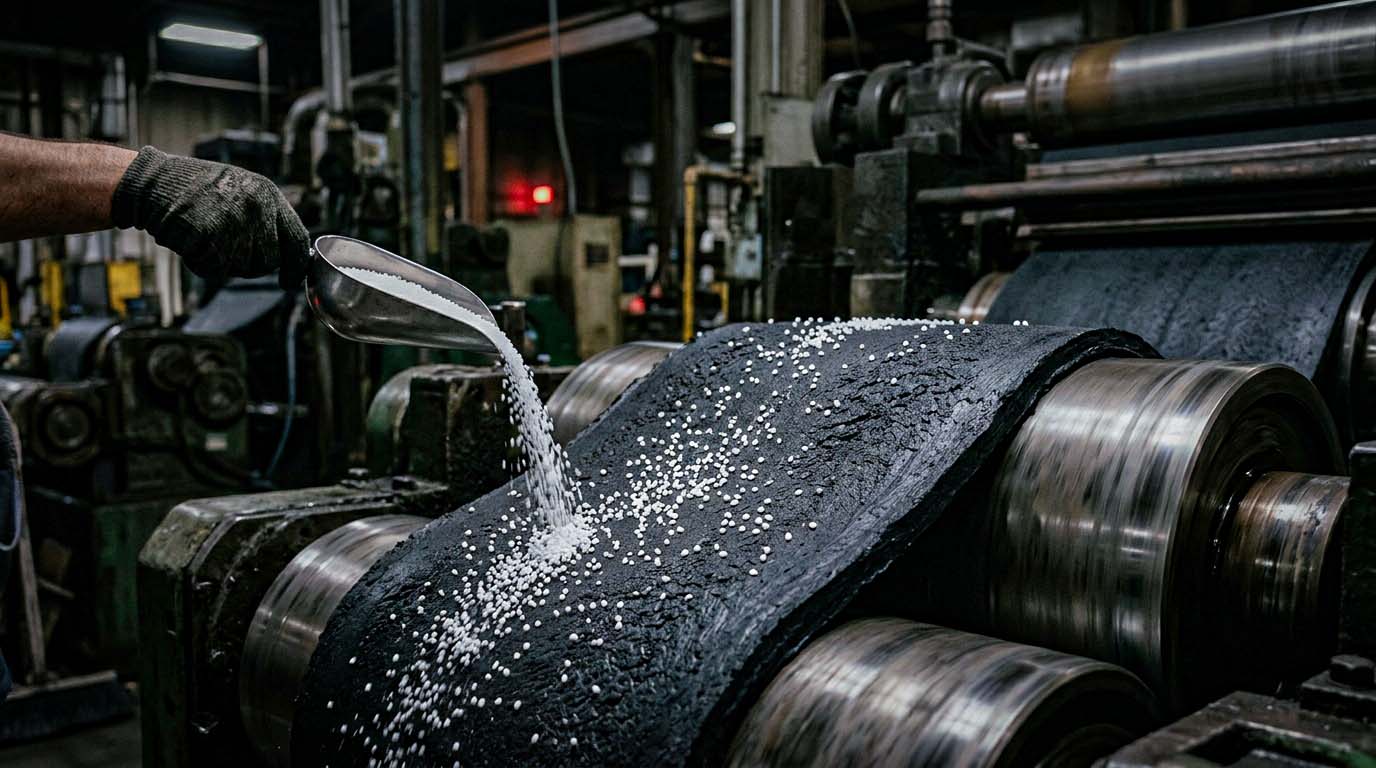
Zinc oxide on its own does not dissolve in rubber. At processing temperature, stearic acid reacts with it to form zinc stearate, which is soluble in the rubber matrix. This compound forms complexes with accelerators and makes them more active. The result is a faster cure, better use of sulfur and a more complete crosslink network, which shows up in final properties such as tensile strength, abrasion resistance and compression set.
To learn more about this process, read our article on rubber vulcanization accelerators.
Processing Aid and Better Filler Dispersion
Stearic acid also helps during mixing. It acts as an internal lubricant, lowers compound viscosity slightly and helps fillers such as carbon black disperse more evenly. It also reduces sticking to mill rolls and mold surfaces, which makes demolding easier.
Typical Dosage and the Risk of Overdosing
Most formulations use 1 to 2 phr of stearic acid. The exact amount depends on the polymer, the cure system and the level of zinc oxide.
More is not better. Stearic acid has limited solubility in rubber, and when overdosed it migrates to the surface and leaves a white, powdery film. This is known as bloom. Beyond the poor appearance, bloom reduces surface tack, which can cause problems in products such as tires, where layers need to stick together during building.
Stearic Acid in PVC and Plastics
In plastics, and especially in rigid PVC processing, stearic acid is used as a lubricant. It reduces friction between the polymer melt and the metal surfaces of the equipment, prevents the melt from sticking to the barrel and die, and improves flow.
Stearic acid is also the raw material for metal stearates such as calcium stearate and zinc stearate, which are common PVC stabilizers and lubricants in their own right. Another use is coating calcium carbonate: stearic acid coated calcium carbonate disperses better in polymers. You can browse the other industrial chemicals Hamiico supplies in this category.
How Do Stearic Acid Grades Differ?
Not all stearic acid is the same. Grades are usually distinguished by:
- C18 to C16 ratio: the share of stearic acid versus palmitic acid, which affects the melting point and how the material behaves in processing.
- Iodine value: shows how much unsaturated fatty acid remains. A lower iodine value means better resistance to oxidation and discoloration.
- Color and purity: decisive for applications where the appearance of the final product matters.
Rubber Grade or Cosmetic Grade?
Cosmetic, pharmaceutical and food grades require high purity, very light color and specific certifications. In rubber, the most important quality is consistency from one shipment to the next, because any change in the composition of stearic acid can shift cure behavior. That is why rubber grade is the more sensible and economical choice for this industry.
Physical Form: Granules, Flakes or Powder
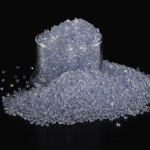
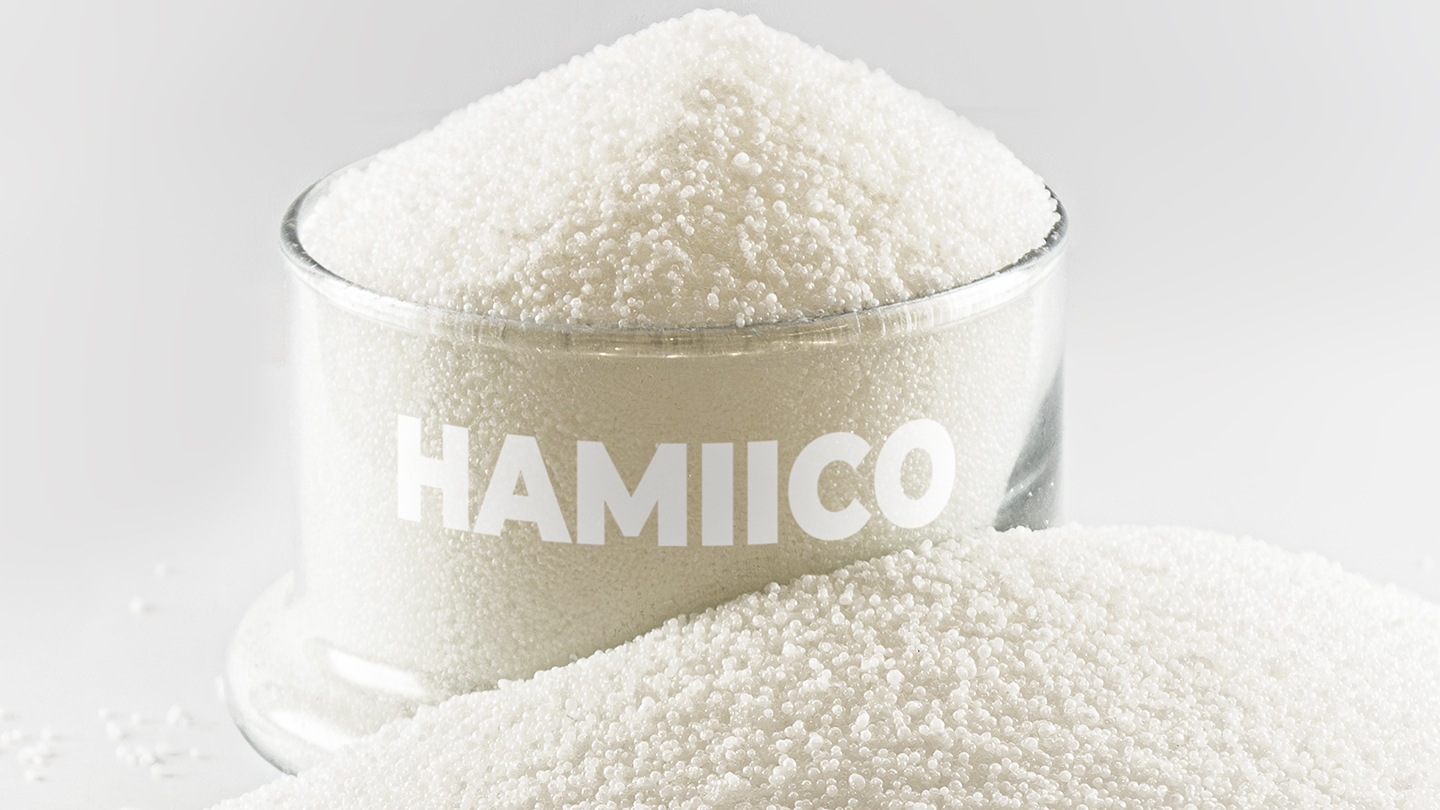
- Granules (fine beads): free-flowing and low in dust, easier to weigh accurately and well suited to automatic dosing systems. They are also less likely to cake.
- Flakes: a common form, but they generate more dust during handling.
- Powder: melts and disperses quickly, but is dusty and more prone to caking in storage.
Other Uses of Stearic Acid
Outside rubber and plastics, stearic acid is widely used in candles, soaps, cosmetics and lubricants, with each industry using a grade made for its own application.
Selection and Storage Tips
- Origin: stearic acid is either vegetable-based (palm) or animal-based. For some applications and markets, a vegetable origin is a requirement.
- Consistent quality: ask your supplier for the technical specifications of each shipment, so any variation is caught before it reaches the production line.
- Physical form: choose the form that suits your weighing and feeding method.
- Storage: keep it in a cool, dry place, away from direct sunlight and heat sources, in sealed bags. Stearic acid has a low melting point, and granules can stick together in a hot warehouse.
Conclusion
Stearic acid may be the smallest line in the formula, but it plays a key role: it activates the cure system, makes mixing smoother and improves melt flow in PVC. Choosing the right grade and securing a steady supply, especially consistent quality between shipments, has a direct effect on production stability.
Hamiico supplies rubber grade stearic acid in granular form to rubber and plastics manufacturers. For the technical specifications of current shipments and a price quote, visit the stearic acid product page or contact the Hamiico team.
Zinc oxide does not dissolve in rubber on its own. Stearic acid reacts with it to form zinc stearate, which is soluble in rubber and activates the accelerators. Together they form the activator system of sulfur vulcanization.
Cosmetic and food grades need higher purity, lighter color and specific certifications. For rubber grade, consistent quality between shipments matters more, because it directly affects cure behavior.
Most formulations use 1 to 2 phr. Using more can cause bloom, a white film on the surface that also reduces tack.
Both. Palm oil is the main source today, and some stearic acid is still produced from animal tallow.