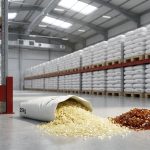
Industrial and pharmaceutical isopropyl alcohol are the same C3H8O molecule, but they are produced and tested to different limits for purity, water content and residue. Choosing the wrong grade means extra cost, residue on an electronic part, or a product that fails a pharmaceutical standard.
Hamiico has supplied chemicals to Iranian manufacturers for 17 years. In this guide we explain the differences between IPA grades so you can pick the right one for your work.
What Is Isopropyl Alcohol (IPA)?
Isopropyl alcohol, also called 2-propanol or isopropanol (CAS 67-63-0), is a clear, volatile liquid that mixes fully with water. According to a general reference, it boils at about 82.6 °C and has a density of about 0.786 g/cm³. It is used as a solvent for paints, inks and adhesives, and for disinfection and cleaning parts. See the commercial details on the Hamiico isopropyl alcohol product page.
What Does “Grade” Mean, and Why Is Purity Not Enough?
A grade is a set of limits for purity, water, non-volatile residue, acidity, color and odor, defined by the final use. Two drums with the same purity can differ in residue or minor impurities, and only one of them may suit your application.
Industrial (Technical) Grade IPA
The common reference for 99% industrial IPA is the ASTM D770 standard. It controls these properties:
- Apparent specific gravity
- Color (Pt-Co scale)
- Distillation range
- Non-volatile matter
- Odor
- Water content
- Acidity (as acetic acid)
- Water miscibility
This grade suits paint and coating formulations, inks, adhesives, degreasing and process solvent use, and it is usually the most economical choice.
Pharmaceutical Grade IPA
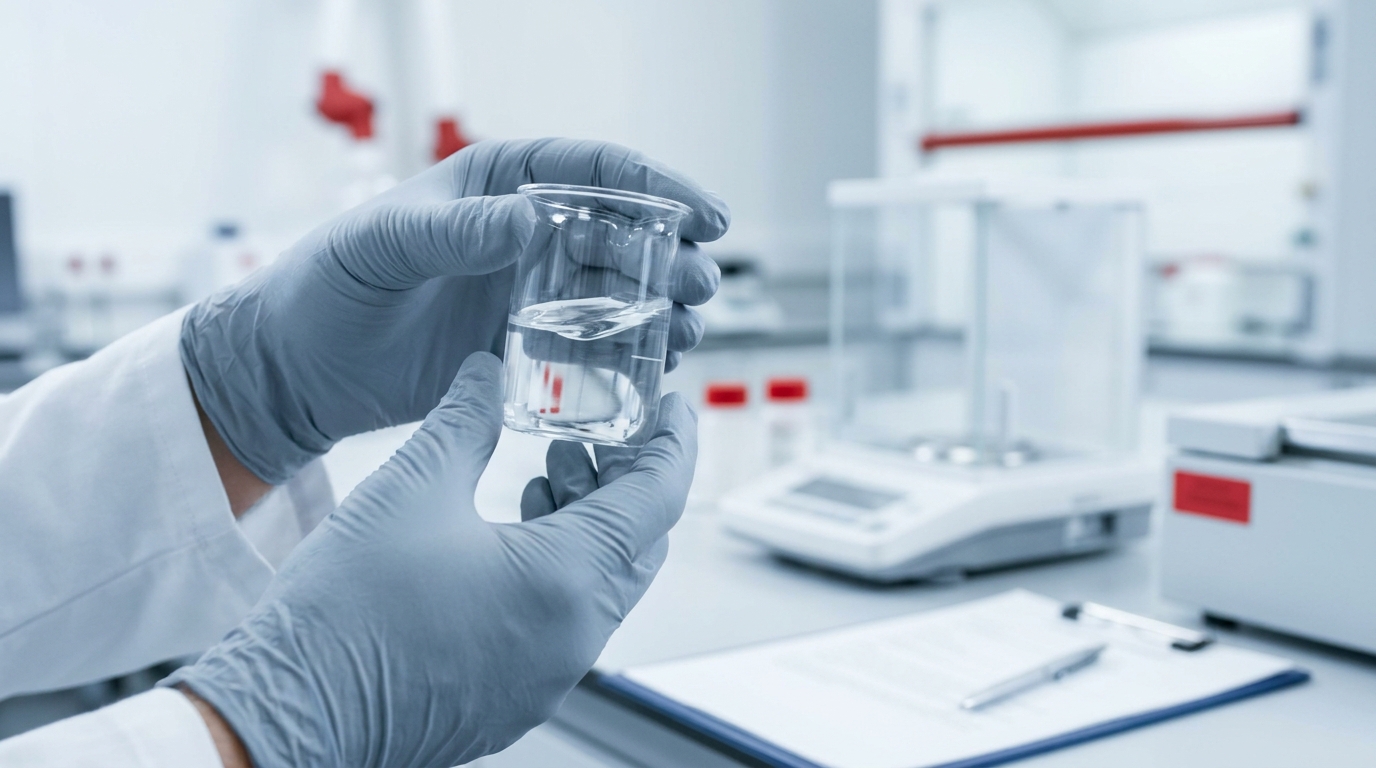
Pharmaceutical grade is defined by a pharmacopoeia (such as USP). Besides purity, it controls permitted impurities and identification tests. Hand sanitizer is the clearest example. The World Health Organization (WHO) guide proposes a local-production formula with 75% v/v IPA, 1.45% glycerol and 0.125% hydrogen peroxide, based on IPA of 99.8% purity. The ANMF evidence brief describes the same formula using pharmacopoeial-grade IPA.
So industrial IPA should not be used for health and pharmaceutical products, even if its stated purity looks close.
IPA Grade Comparison Table
| Criterion | Industrial (Technical) | Pharmaceutical (USP / pharmacopoeia) | ACS / laboratory |
|---|---|---|---|
| Typical purity | 99% | Depends on the monograph; WHO formula basis: 99.8% | 99.9% with water below 0.05% (supplier catalog example) |
| Reference | ASTM D770 | Pharmacopoeia (e.g. USP) | ACS specifications |
| Main controls | Water, color, distillation, acidity | Impurities and identification tests | Minimum water and residue |
| Common use | Paints, inks, adhesives, degreasing | Sanitizer, cosmetics, pharmaceuticals | Analysis and laboratory work |

Which Grade Fits Your Work?
- Paints, coatings, inks and adhesives: ASTM D770 industrial grade is usually enough.
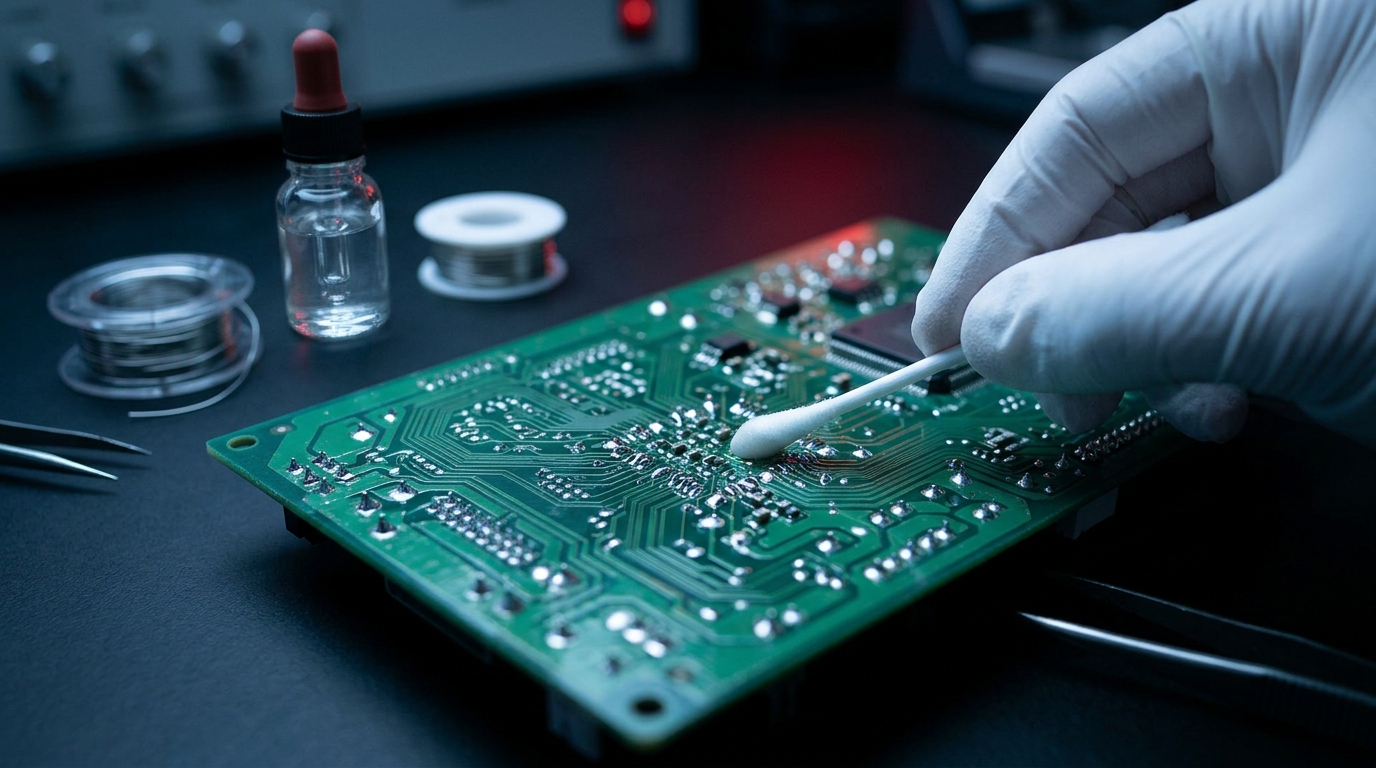
- Electronic parts cleaning: choose a grade with lower water and residue, and ask for the COA.
- Sanitizers and health products: pharmacopoeial grade, with a final concentration that follows the reference formula (for example 75% v/v in the WHO formula).
- Laboratory and analysis: ACS or laboratory grade.
Note: higher purity is not always better. IPA and water form an azeotrope (about 87.7% by weight, or 91% by volume), so reaching 99% requires extra dehydration, which raises the cost. If your application does not need that purity, do not pay for it.
IPA Safety and Storage
Safety is the same for every grade:
- Flash point of about 13 °C (closed cup) and an explosive range of 2 to 12.7% by volume in air (reference)
- The vapor is heavier than air and can travel to a distant ignition source (NOAA CAMEO Chemicals)
- Transported as UN1219, class 3
- Keep away from heat and sparks, and store in a ventilated warehouse in a tightly closed container
Isopropyl Alcohol Buying Checklist
- Ask for the exact grade and purity, not just “high purity”.
- Request the COA for the same batch: water, non-volatile residue, acidity and color.
- Get the TDS and SDS.
- Specify the packaging: drum or ISO tank.
- Record the production date, batch and storage conditions.
- Make the payment terms clear.
Why Hamiico?
For 17 years Hamiico has kept chemical supply running without interruption for Iranian manufacturers. We source only from reputable brands, warn you before a disruption happens, and offer flexible payment terms so your production line does not stop.
The isopropyl alcohol in stock at Hamiico’s Tehran warehouse is a Shell Chemicals product with a minimum purity of 99.8%, supplied in 165 kg drums. For the TDS, COA and today’s price, call the Hamiico sales team at +98 21 8840 0700.
To learn more about industrial raw materials, read the complete guide to rubber, plastic and chemical raw materials and raw material supply in difficult market conditions.
Frequently Asked Questions
No. The WHO reference formula and the ANMF brief both start from pharmacopoeial-grade IPA. Industrial IPA is not designed for pharmaceutical or health use.
The number is the amount of IPA in the aqueous solution. 99% is used mostly as a solvent and for cleaning where water must be low, and 70% for general disinfection. The right concentration depends on the application and the reference standard.
About 13 °C in a closed container, so it can produce flammable vapor even at room temperature.
In a tightly closed container, away from heat and sparks, in a ventilated area and according to the product SDS.