Introduction
When people think of rubber, they often only think of car tires. However, the reality is that rubber is one of the most widely used raw materials in the world and plays a critical role in dozens of different industries. From passenger vehicles and mining machinery to medical equipment, oil and gas industries, agriculture, and construction projects, all depend on various types of natural and synthetic rubber for their production. This widespread application has made the global rubber market generate billions of dollars in revenue annually, with demand continuing on an upward trend. (Sources: IRSG, 2024; ETRMA, 2024; Grand View Research, 2024)
Understanding rubber-consuming industries is not only important for tire manufacturers. Importers of raw materials, rubber compound producers, polymer industry professionals, and factory managers also need to know which industries generate the highest rubber demand for purchase planning, market forecasting, and identifying new business opportunities. (Sources: USTMA, 2024; Michelin Annual Report, 2024; Smithers, 2024)
In this article, we examine the 10 industries that hold the largest share of global rubber consumption, and at the end, we answer the question: Which industry is the world’s largest rubber consumer? (Sources: IRSG, 2024; ETRMA, 2024)
Share of Different Industries in Global Rubber Consumption
Although rubber is used in multiple industries, consumption levels are not uniform across all sectors. The automotive and tire manufacturing industry ranks first by a significant margin, followed by mining, construction, oil and gas, agriculture, and industrial machinery sectors. (IRSG, 2024; USTMA, 2024)
| Rank | Industry | Global Rubber Consumption Level | Example Rubber Products |
|---|---|---|---|
| 1 | Automotive & Tire Manufacturing | Very High | Tires, hoses, O-rings, bushings, vibration dampers |
| 2 | Mining | Very High | OTR tires, conveyor belts, industrial hoses, wear-resistant liners |
| 3 | Construction & Civil Projects | High | Waterstops, seals, elastomeric bearings, flooring |
| 4 | Oil, Gas & Petrochemical | High | O-rings, gaskets, packing, high-pressure hoses |
| 5 | Agriculture | Medium | Tractor tires, belts, irrigation hoses |
| 6 | Manufacturing & Industrial Machinery | Medium | Conveyor belts, rollers, couplings, seals |
| 7 | Rail Transportation | Medium | Vibration dampers, seals, washers, suspension components |
| 8 | Marine Industry | Medium | Dock fenders, fuel hoses, seals |
| 9 | Medical Industry | Low | Gloves, medical equipment, vial stoppers |
| 10 | Aerospace | Specialized | Aircraft tires, O-rings, hydraulic hoses |
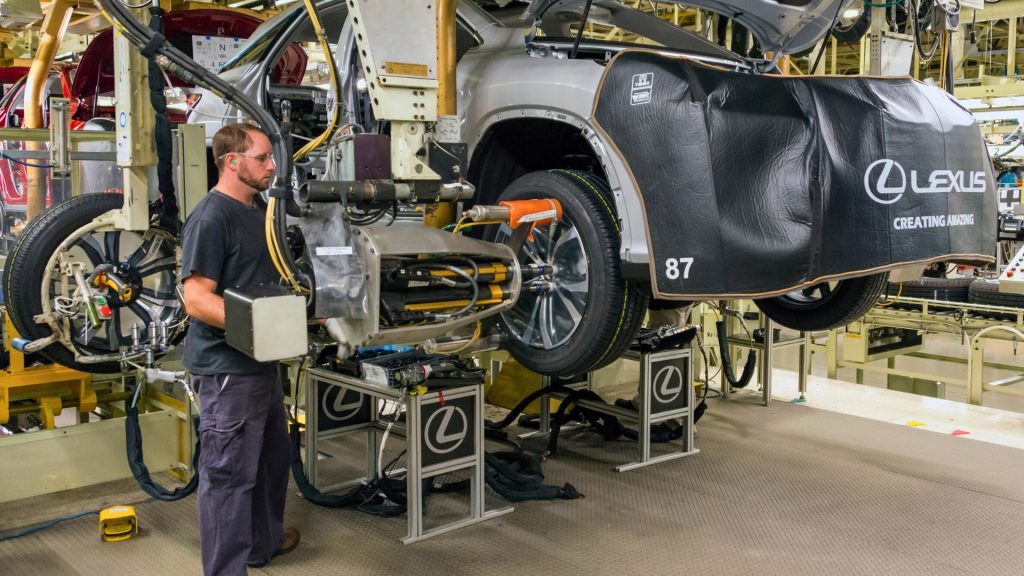
1. Automotive Industry: The World’s Largest Rubber Consumer
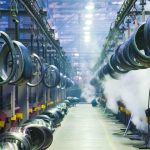
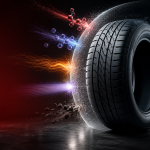
The automotive industry is the largest consumer of rubber globally. According to the International Rubber Study Group (IRSG), approximately 70% of natural rubber produced worldwide is consumed in tire manufacturing. Beyond tires, each vehicle contains hundreds of rubber components such as hoses, O-rings, bushings, oil seals, vibration dampers, and gaskets that play crucial roles in vehicle performance and safety. (Sources: IRSG, 2024; Michelin, 2024; ETRMA, 2024)
Key Rubber Applications in the Automotive Industry:
- Tire production
- Bushings and vibration dampers
- O-rings and seals
- Fuel and radiator hoses
- Industrial belts
- Dust covers and oil seals
2. Mining Industry
The mining industry is one of the largest consumers of engineered rubber products. Giant dump truck tires, conveyor belts, mineral transfer hoses, and wear-resistant liners are all rubber products that must withstand high pressure, abrasion, and impact. For this reason, mines are among the most important markets for natural rubber and specialized rubber compounds. (Sources: Michelin Mining, 2024; Bridgestone OTR Catalogue, 2024; ICMM, 2024)
Key Rubber Applications in Mining:
- Mining machinery tires
- Conveyor belts
- Slurry transfer hoses
- Wear-resistant liners
- Equipment vibration dampers
3. Construction and Civil Engineering Projects
In construction projects, rubber is primarily used for waterproofing, vibration absorption, and enhancing structural durability. Products such as waterstops, seals, bridge elastomeric bearings, industrial flooring, and hydraulic hoses are among the most important rubber products in this industry. With the development of construction projects in various countries, consumption of these products has steadily increased. (Sources: ASTM International, 2024; Trelleborg Infrastructure Solutions, 2024; Grand View Research, 2024)
Key Rubber Applications in Construction:
- Waterstops
- Seals and gaskets
- Bridge vibration dampers
- Industrial flooring
- Hydraulic hoses
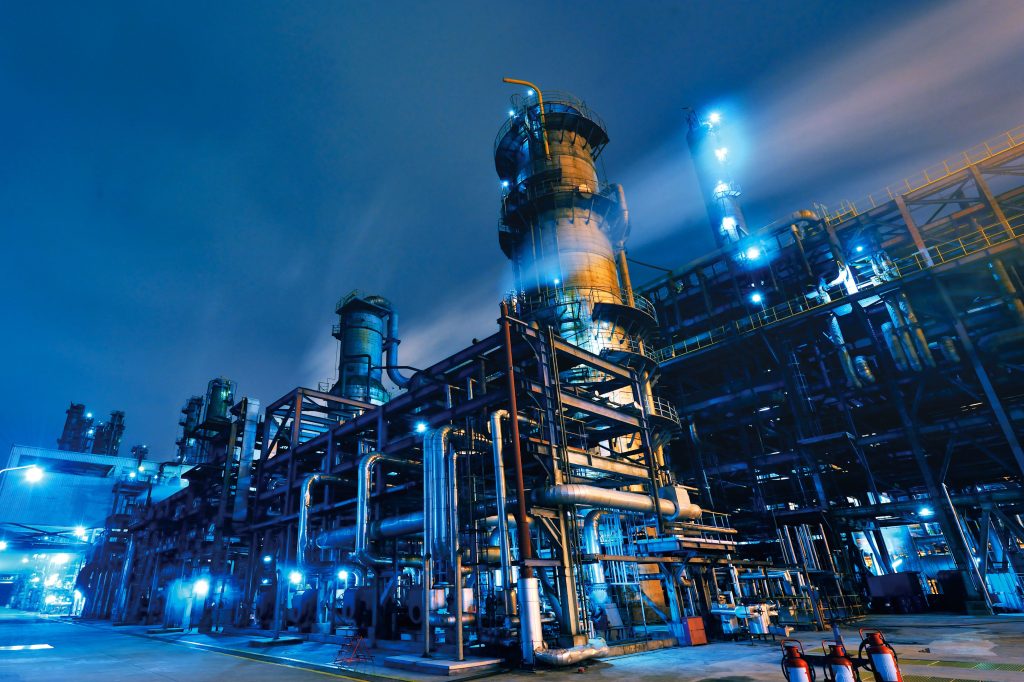
4. Oil, Gas, and Petrochemical Industry
The oil, gas, and petrochemical industry is among the most sensitive consumers of rubber products. Equipment in this industry operates under extreme conditions of pressure, temperature, and exposure to chemicals and hydrocarbons. Therefore, rubber components used must have very high resistance. Elastomers such as NBR, HNBR, EPDM, and FKM (Viton) are the most commonly used in this industry. (Sources: Parker Hannifin, 2024; Trelleborg Sealing Solutions, 2024; API Standards, 2024)
Key Rubber Applications in Oil & Gas:
- O-rings and gaskets
- High-pressure hoses
- Pump and valve seals
- Chemical-resistant packing
- Vibration dampers
5. Agriculture Industry
Agriculture is one of the traditional consumers of rubber products. Tractor and agricultural machinery tires, irrigation hoses, conveyor belts for grain transfer, and various seals and gaskets are among the rubber products used in this sector. With the mechanization of agriculture in developing countries, demand for rubber products in this industry continues to grow. (Sources: FAO, 2024; USTMA, 2024; Grand View Research, 2024)
Key Rubber Applications in Agriculture:
- Tractor and harvester tires
- Irrigation hoses
- Conveyor belts
- Seals and gaskets
- Vibration dampers
6. Manufacturing Industries and Industrial Machinery
Manufacturing industries and industrial machinery use rubber in various applications. Conveyor belts, rollers, couplings, seals, and vibration dampers are among the most important rubber products in this sector. These products must have high durability and resistance to continuous operation. (Sources: ISO Standards, 2024; Trelleborg, 2024; Smithers, 2024)
Key Rubber Applications in Manufacturing:
- Conveyor belts
- Rollers and wheels
- Couplings
- Industrial seals
- Vibration isolation mounts

7. Rail Transportation Industry
The rail transportation industry uses rubber in various components. Vibration dampers, seals, washers, and suspension components are among the rubber products used in this sector. These products play a crucial role in passenger comfort and equipment longevity. (Sources: UIC, 2024; Trelleborg, 2024; ASTM, 2024)
Key Rubber Applications in Rail Transportation:
- Vibration dampers
- Door and window seals
- Suspension components
- Anti-vibration pads
- Hose connections
Important Note: Contrary to what many people believe, the largest volume of rubber consumed worldwide is not just for tire production. In addition to tires, millions of industrial rubber components are produced and consumed annually in factories, mines, refineries, and construction projects. This has made the global rubber products market not solely dependent on the automotive industry, with various sectors playing important roles in its growth. (Sources: IRSG, 2024; Smithers, 2024; Grand View Research, 2024)
8. Marine and Shipbuilding Industries
The harsh conditions of marine environments, such as humidity, saltwater, direct sunlight, and mechanical pressure, have made rubber one of the essential raw materials in the shipbuilding industry. From dock fenders and fuel transfer hoses to engine seals and anti-vibration components, all must have high resistance to corrosion and environmental conditions. (Sources: Trelleborg Marine & Infrastructure, 2024; Yokohama Marine Products, 2024; Bridgestone Industrial Products, 2024)
Key Rubber Applications in Marine Industries:
- Marine fenders
- Fuel transfer hoses
- Engine and pump seals
- Marine equipment vibration dampers
- Anti-slip flooring
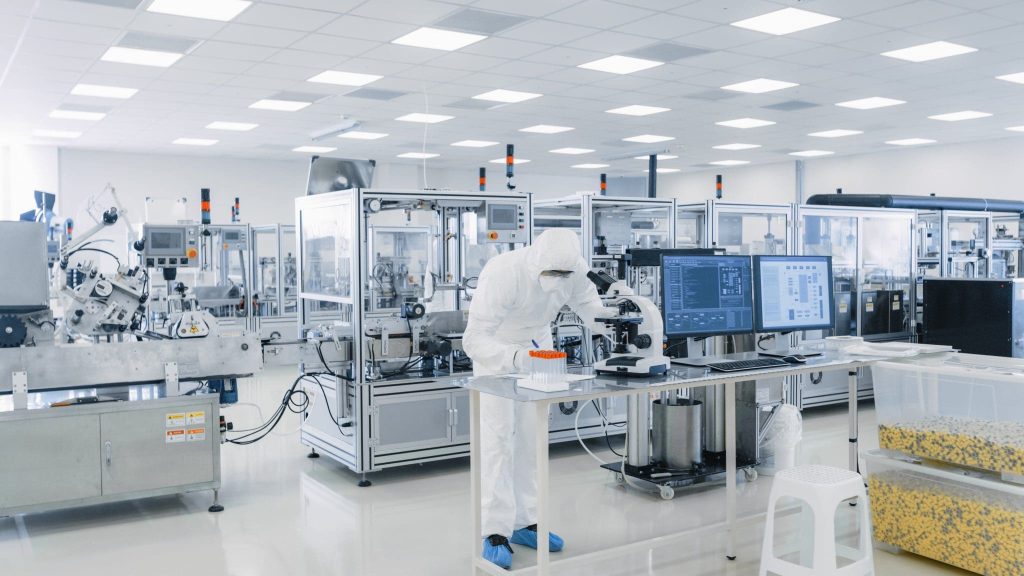
9. Medical and Pharmaceutical Industries
Although the volume of rubber consumption in medical industries is not as high as in the automotive sector, it is one of the most important consumption markets in terms of sensitivity and quality. Many medical devices must be made from biocompatible rubber to avoid any chemical reactions or allergies. (Sources: U.S. FDA, 2024; ISO 10993; Smiths Medical, 2024)
Key Rubber Applications in Medical Industries:
- Medical gloves
- Pharmaceutical vial stoppers
- Syringes and injection equipment
- Fluid transfer hoses
- Laboratory equipment components
10. Aerospace Industry
In the aerospace industry, quality is more important than consumption volume. Aircraft tires, high-temperature resistant O-rings, fuel system seals, and hydraulic hoses must perform reliably under extremely harsh conditions. For this reason, advanced elastomers such as FKM, silicone, and fluorosilicone are used. (Sources: NASA Materials Engineering, 2024; Parker Aerospace, 2024; SAE Aerospace Standards)
Key Rubber Applications in Aerospace:
- Aircraft tires
- Temperature-resistant O-rings
- Hydraulic hoses
- Fuel system seals
- Equipment vibration dampers
Which Industry Consumes the Most Rubber?
Although rubber has applications in multiple industries, the difference between the automotive industry and other sectors is quite significant. According to the International Rubber Study Group (IRSG), approximately 70% of the world’s natural rubber is consumed in tire production, making the automotive industry still the largest rubber consumer globally. Following that, mining, oil and gas, construction, agriculture, and industrial machinery industries hold the largest shares in consuming this strategic material. (Sources: IRSG, 2024; ETRMA, 2024; USTMA, 2024)
In the coming years, with the growth of electric vehicles, mining development, increased construction projects, and infrastructure investments, global demand for natural and synthetic rubber is expected to continue rising. This will create significant opportunities for manufacturers, raw material importers, and rubber industry professionals. (Sources: Grand View Research, 2024; Michelin Annual Report, 2024; Bridgestone Sustainability Report, 2024)
Frequently Asked Questions (FAQ)
Yes. According to international reports, approximately 70% of natural rubber produced worldwide is consumed in the tire manufacturing industry, and the automotive industry continues to hold the top rank in rubber consumption. (Sources: IRSG, 2024)
Due to the use of ultra-heavy tires, rubber conveyor belts, material transfer hoses, and wear-resistant parts, all of which consume large volumes of rubber. (Sources: Michelin Mining, 2024; Bridgestone OTR, 2024)
The most common elastomers in this industry include NBR, HNBR, EPDM, and FKM (Viton), which have high resistance to oil, chemicals, and high temperatures. (Sources: Parker Hannifin, 2024; Trelleborg Sealing Solutions, 2024)
Yes. Growth in the automotive industry, infrastructure development, increased mining extraction, and agricultural mechanization are the most important factors driving increased global rubber demand in coming years. (Sources: IRSG, 2024; MarketsandMarkets, 2024)