
Introduction
Every day, billions of people use products that are, in practice, impossible to manufacture without rubber — often without even realizing it. From car and airplane tires to medical equipment, industrial machinery, factory production lines, and even many household items, all depend on this material. For this reason, any disruption in rubber production or supply can trigger a chain of problems across industries worldwide.
In recent years, climate change, the spread of diseases affecting rubber trees, rising global demand, and the limited availability of suitable land for cultivation have raised concerns about the future of this valuable material. At the same time, researchers and major tire manufacturers are working to develop alternative materials and new technologies to reduce the industry’s dependence on natural rubber.
Will the World Ever Run Out of Rubber?
Rubber is one of the most important raw materials of modern industry, used in nearly every sector of transportation, manufacturing, medical equipment, construction, and even energy. The tire industry alone consumes millions of tons of natural and synthetic rubber every year, and any disruption in the supply of this material can affect the supply chains of many industries.
In recent years, alongside rising global demand for automobiles, the growth of electric vehicles, and concerns stemming from climate change, this question has become more pressing than ever: could natural rubber resources one day fail to meet the world’s needs? Many researchers are also working to find new materials to replace natural rubber — materials that could reduce the industry’s reliance on the rubber tree.
In this article, drawing on reports from international organizations and scientific studies, we examine the current state of the rubber industry, the threats to its production, and the most promising alternatives.
Sources for this section:
- International Rubber Study Group (IRSG), World Rubber Industry Outlook (2024)
- FAO, FAOSTAT Database (2024)
Why Does Rubber Matter to the World?
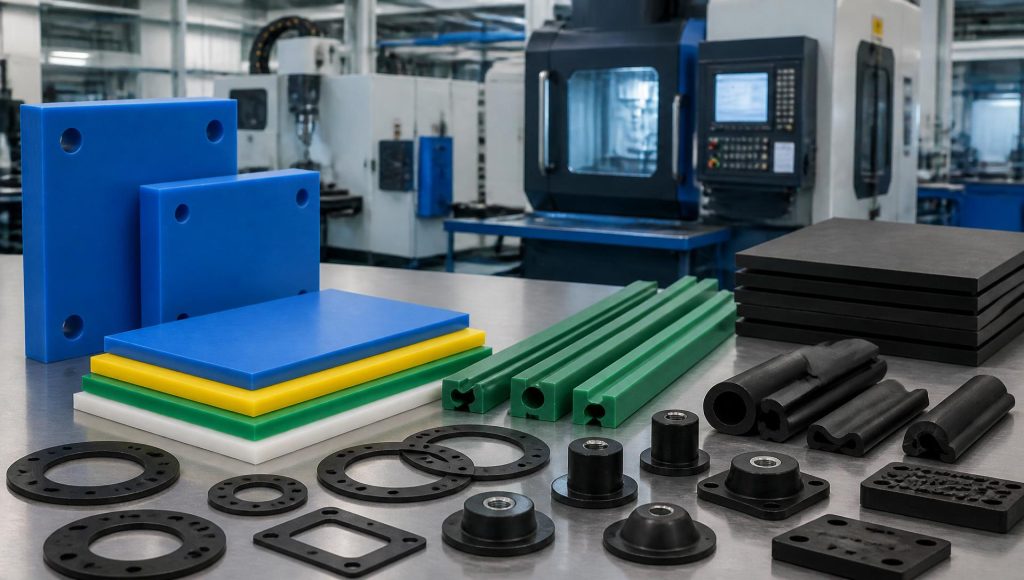
When people talk about rubber, their minds usually go straight to car tires — but the applications of this material are far broader. From medical devices and industrial parts to the oil, gas, mining, aerospace, and energy sectors, all rely on various types of rubber.
According to the International Rubber Study Group, about 70% of the natural rubber produced worldwide is used to manufacture tires. This is due to natural rubber’s unique properties — high tensile strength, fatigue resistance, flexibility, and durability — qualities that no other material has yet been able to fully replicate.
Beyond the tire industry, rubber is also used to make industrial belts, hoses, O-rings, vibration dampers, medical gloves, sealing components, and many other sensitive pieces of equipment. As a result, any decline in natural rubber production can simultaneously affect a wide range of industries.
Sources for this section:
- International Rubber Study Group (2024)
- European Tyre & Rubber Manufacturers’ Association (ETRMA), European Tyre & Rubber Industry Report (2024)
Is Natural Rubber Production at Risk?
More than 90% of the world’s natural rubber comes from the sap of the Hevea brasiliensis tree. This tree is mainly cultivated in Thailand, Indonesia, Vietnam, Malaysia, and India, and a large portion of the global supply chain depends on production in these countries.
This geographic concentration is one of the biggest challenges facing the rubber industry. Climate change, drought, heavy rainfall, plant diseases, or even disruptions to international trade can all affect the volume and price of natural rubber.
Rubber trees also typically need six to seven years to reach the stage where latex can be harvested. This makes it impossible to rapidly scale up production capacity in the short term, leaving the market highly sensitive to sudden spikes in demand or drops in supply.
Experts also warn that rising global temperatures and changing rainfall patterns in tropical regions could reduce the productivity of rubber plantations in the coming decades and drive up production costs.
Sources for this section:
- FAO (2024), Rubber Production Statistics
- International Rubber Study Group (2024)
- IPCC, Sixth Assessment Report (2023)
The Biggest Threats Facing the Future of the Rubber Industry
Although natural rubber resources are not yet running out, the industry faces several serious challenges that could affect its supply in the future.
Climate Change
Rising global temperatures, prolonged droughts, and irregular rainfall have altered the growing conditions for rubber trees, reducing latex production in some regions. This is especially significant in Southeast Asia, the primary hub of natural rubber production.
Plant Diseases
Diseases such as South American Leaf Blight and Pestalotiopsis Leaf Fall Disease can cause significant damage to rubber plantations. In recent years, outbreaks of some of these diseases in producing countries have reduced latex harvests.
Rising Global Demand
The growth of the automotive industry, the rise of electric vehicles, and the expansion of transportation infrastructure have steadily increased global rubber consumption. Without sufficient investment in expanding plantations and improving productivity, this trend could lead to periodic shortages in the market.
Limited Agricultural Land
Expanding rubber plantations faces environmental concerns and regulations aimed at preventing deforestation. As a result, many countries have imposed restrictions on expanding cultivated land.
Sources for this section:
- Nature Sustainability (2023), Climate Risks to Natural Rubber Production
- CIRAD, Rubber Research Programme
- Malaysian Rubber Board (2024)
Can Synthetic Rubber Replace Natural Rubber?
As concerns grow over the supply of natural rubber, many assume synthetic rubber could fully replace it. While roughly half of the rubber consumed worldwide today is derived from petroleum and natural gas, the reality is that synthetic rubber still cannot replicate all the properties of natural rubber.
Synthetic rubbers such as SBR (Styrene-Butadiene Rubber), BR (Butadiene Rubber), and NBR (Nitrile Butadiene Rubber) are each engineered for specific applications and perform well against heat, oil, or chemicals. However, in products subject to constant pressure and heavy loads — such as aircraft, truck, and mining equipment tires — natural rubber remains essential.
This is due to natural rubber’s high tensile strength, tear resistance, flexibility, and durability — qualities no synthetic rubber has yet managed to combine simultaneously. For this reason, major tire manufacturers continue to use a blend of natural and synthetic rubber in their products.
Sources for this section:
- International Rubber Study Group (2024)
- Michelin, Sustainability Report 2024
- Bridgestone, Integrated Sustainability Report 2024
What Materials Could Replace Natural Rubber?
In recent years, researchers and major global companies have invested significantly in finding new sources of rubber production. The main goal of this research is to reduce dependence on the Hevea brasiliensis tree and strengthen supply chain security.
Currently, three options stand out above the rest.
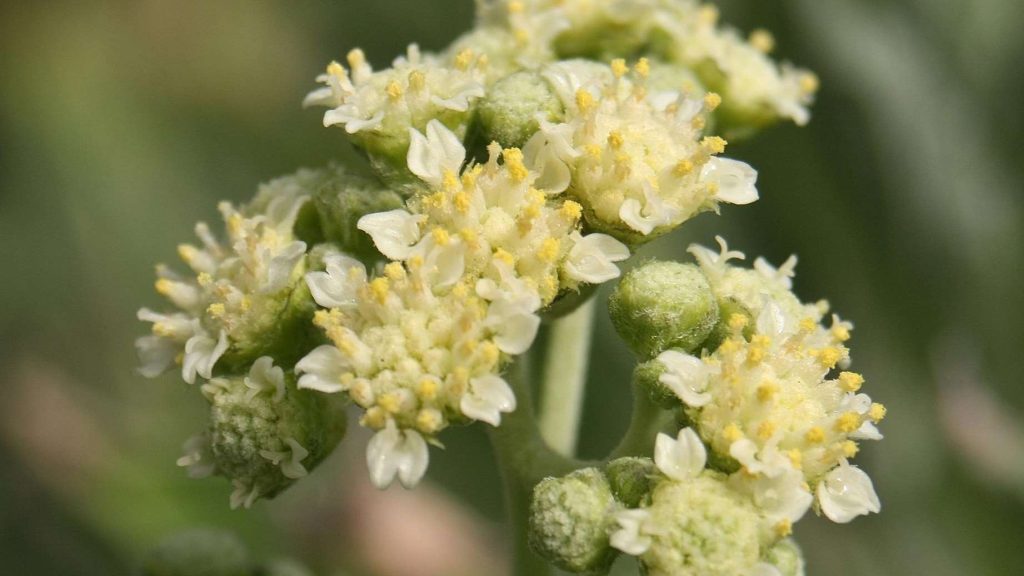
Guayule
Guayule (Parthenium argentatum) is a shrub native to the arid regions of North America that produces a form of natural rubber in its tissues. It requires less water than the rubber tree and can be cultivated in areas unsuitable for growing Hevea.
Bridgestone has invested in developing this plant for tire production for more than a decade, and early results show that rubber derived from guayule can perform well in certain applications.
Sources for this section:
- Bridgestone Americas – Guayule Research Program
- USDA – Alternative Natural Rubber Sources
Russian Dandelion
Another promising option is Taraxacum kok-saghyz, or Russian dandelion. This plant produces latex in its roots and, unlike the rubber tree, can also be grown in temperate climates.
Continental has developed a project called Taraxagum in recent years, aimed at producing tires using rubber extracted from this plant. While the technology is still under development, it could help meet part of the market’s needs in the future.
Sources for this section:
- Continental AG – Taraxagum Project
- Fraunhofer Institute for Molecular Biology and Applied Ecology
Bio-based Rubber
New biotechnologies have made it possible to produce some rubber raw materials from renewable sources such as sugarcane, corn, plant oils, and even agricultural waste.
These materials can reduce the industry’s reliance on fossil resources and are considered more environmentally sustainable options. However, high production costs and limited manufacturing capacity still stand in the way of their widespread use in the tire industry.
Sources for this section:
- MDPI – Polymers Journal
- Elsevier – Progress in Polymer Science
The Future of the Rubber Industry
Forecasts indicate that global demand for rubber will keep rising in the coming decades. The growth of electric vehicles, the expansion of transportation, population growth, and industrial expansion are all pushing rubber consumption higher than ever.
In response, major tire manufacturers and research institutions are pursuing various strategies to secure a sustainable rubber supply, including:
- Increasing the productivity of existing plantations
- Developing more resilient rubber tree varieties
- Investing in alternative sources such as guayule and Russian dandelion
- Expanding the recycling of worn-out rubber
- Making greater use of renewable raw materials
These efforts show that, rather than waiting for a crisis to unfold, the rubber industry is actively preparing for the future.
Sources for this section:
- World Business Council for Sustainable Development (WBCSD)
- Michelin Sustainability Report (2024)
- Continental Sustainability Report (2024)
Global rubber harvested area (FAOSTAT)
Million hectares, 2010–2024
Natural rubber demand vs. production (IRSG)
Million metric tons, 2020–2030 (2030 is a forecast)
Sources: FAOSTAT harvested-area data (2010, 2020–2022, 2024 estimate); International Rubber Study Group (IRSG) World Rubber Industry Outlook, natural rubber demand and production figures (2020–2025 actual/estimated, 2030 forecast).
Will the World Ever Run Out of Rubber?
Based on scientific evidence and reports published by international organizations, the answer is no. The world is not on the verge of completely running out of rubber resources in the near future. However, the rubber industry does face challenges that could limit supply and raise production costs.
Climate change, diseases affecting rubber trees, rising global demand, and limited availability of suitable cultivation land are among the most important factors shaping the industry’s future. On the other hand, developing alternative resources, improving plantation productivity, recycling rubber, and investing in new technologies are strategies that can help maintain the security of rubber supply in the years ahead.
The industry’s real concern, therefore, is not rubber running out — it is ensuring a supply that is sustainable, economically viable, and environmentally responsible.
Sources for this section:
- International Rubber Study Group (2024)
- FAO (2024)
- Nature Sustainability (2023)
Conclusion
Natural rubber remains one of the most important raw materials for global industry, and for many sensitive applications, no complete substitute currently exists. While synthetic rubbers and new technologies such as guayule, Russian dandelion, and bio-based rubber have made significant progress, none have yet been able to replicate all the technical properties of natural rubber at an industrial scale.
In the years ahead, the future of the rubber industry will depend above all on sustainable resource management, the development of alternative technologies, improved plantation productivity, and expanded recycling. Major tire manufacturers are investing heavily in these areas to reduce the risk of raw material shortages.
In answer to the article’s central question:
The likelihood of the world completely running out of rubber is very low. However, if investment in sustainable production and the development of alternative resources does not proceed quickly enough, the global market could face periodic shortages, rising prices, and disruptions to the natural rubber supply chain in the years ahead.
Will the world ever run out of rubber? No. According to credible studies and reports, natural rubber resources will not run out in the near future. However, factors such as climate change, plant diseases, and rising global demand could pose challenges to production. Developing alternative resources, recycling, and improving plantation productivity are the key strategies for securing the rubber supply going forward.
Frequently Asked Questions (FAQ)
No. According to scientific reports, the likelihood of natural rubber completely running out is very low, though climate change, plant diseases, and rising demand could limit its supply.
Because natural rubber performs better in heavy-duty applications — such as truck and aircraft tires — thanks to its superior tensile strength, fatigue resistance, flexibility, and durability.
Currently, guayule, Russian dandelion, and bio-based rubber are the most promising alternatives under development.
Recycling plays an important role in reducing resource consumption, but because recycled rubber loses some of its mechanical properties, it cannot fully replace the production of new rubber.









One Response