
Introduction
Over the past year, manufacturers in Iran’s rubber, plastics, and chemical industries have faced a noticeable increase in the prices of imported raw materials from China. This increase is not a one-dimensional phenomenon and is the result of several factors occurring simultaneously. In this article, Hamiico, as a trader and importer of industrial raw materials, examines the three main factors behind this price increase: the official exchange rate, freight costs, and customs duties and tariffs.
The purpose of this analysis is to clarify the pricing chain for manufacturers and industrial buyers so that they can make better-informed decisions when planning their raw material procurement.
Increase in the Official Exchange Rate
One of the most important factors affecting the final cost of imported raw materials is the official exchange rate, which is used as the basis for calculating many import-related costs. Based on the observed trend, the official exchange rate increased by approximately 20% from late February 2026 to September 2026.
This increase directly affects the purchase price of raw materials from Chinese suppliers and other international suppliers, as foreign currency transactions and international settlements are calculated based on this rate.
Increase in Freight Costs
Perhaps the most important and challenging factor in this regard has been the sharp increase in international transportation costs. With the restrictions on conventional maritime routes, importers have been forced to use alternative routes, each of which comes with its own costs and challenges:
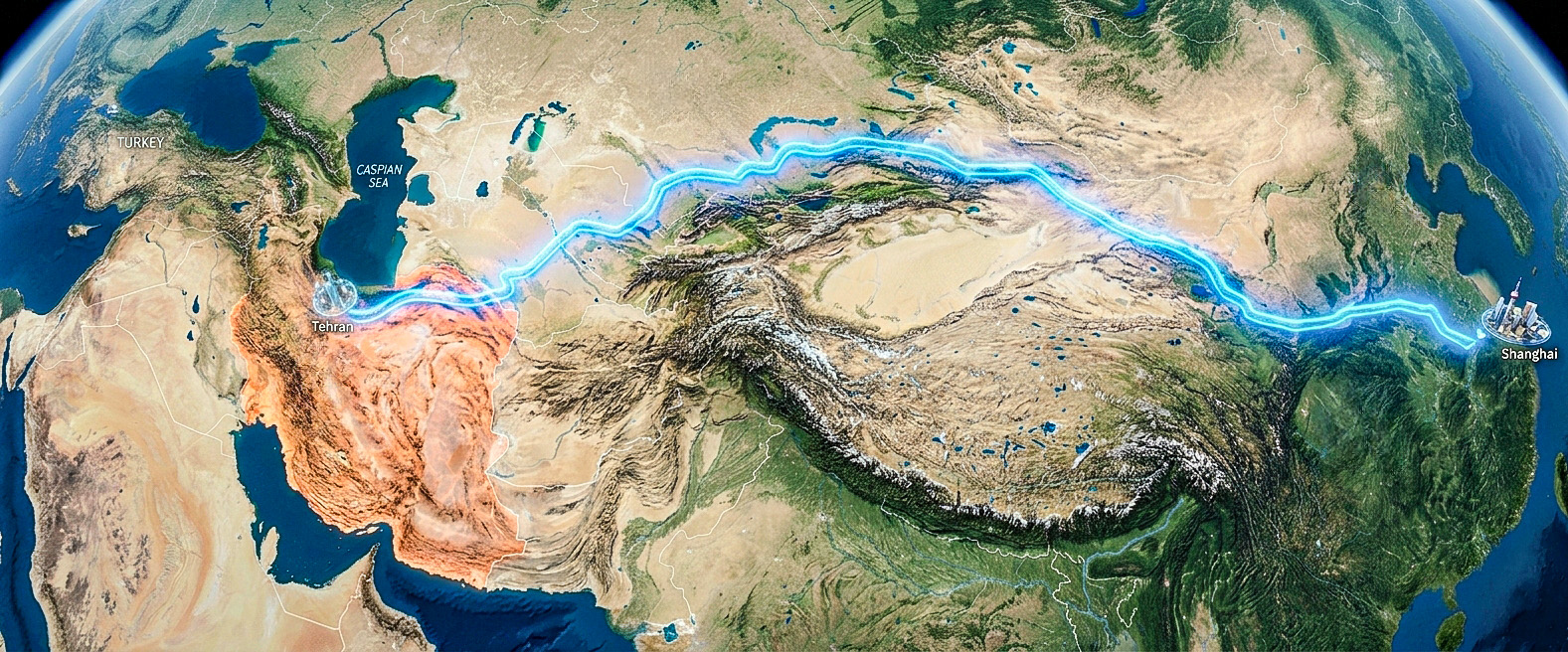
Rail Transportation (Train)
Transporting cargo by rail involves costs several times higher than conventional methods. Limitations such as the acceptance of only 40-foot containers, as well as significant costs for transporting cargo from the manufacturer’s factory to the railway station and loading it onto the train, make this method expensive.
In addition, cargo stops at multiple intermediate stations and is opened for inspection. Due to sanctions imposed on some countries along the transit route, the rail route has faced serious disruptions in recent periods. If there is a problem with one shipment, the entire train may be stopped until the issue is addressed.
Maritime Transportation
Direct maritime transportation is practically not possible, as most ships have stopped around the ports of India and Pakistan. The only remaining option is to ship cargo through Mersin Port in Türkiye, which itself comes with several challenges: increased shipping costs, excessive congestion at the Turkish port resulting in delays in the customs clearance queue, and the high cost of transporting cargo from Türkiye into Iran.
Combined Rail–Caspian Sea Route
Another alternative route is to transport cargo by train to the northern ports and then enter Iran through the Caspian Sea.
This route carries all the limitations of rail transportation and, in addition, faces a shortage of facilities and customs clearance capacity at the northern ports. As a result, the customs clearance process through this route becomes considerably more time-consuming than other options.
Overland Transportation (Truck)
Overland transportation also comes with its own challenges, including the need to consolidate cargo multiple times along the route, the possibility of the entire shipment being held if there is a problem with one of the loads, inspections and opening of cargo at every border crossing, a high risk of cargo theft, and, at some borders, additional unofficial costs required for cargo to pass through.
The combination of these factors has caused the cost of overland transportation to reach approximately 3.5 times the cost of conventional maritime transportation.
Increase in Customs Duties and Tariffs
The third contributing factor is the increase in customs duties, tariffs, and related additional costs, which, in line with the official exchange rate, have increased by approximately 20%.
This increase directly affects the cost of clearing goods through customs and is added to the final cost of imported raw materials.
Conclusion
The increase in the prices of imported raw materials from China is the result of the simultaneous impact of three factors: a 20% increase in the official exchange rate, a several-fold increase in freight costs due to restrictions on maritime routes and the necessity of using expensive and high-risk alternative routes, and a 20% increase in customs duties and tariffs.
Together, these three factors have placed significant pressure on the final cost of raw materials, which is directly passed on to domestic manufacturers.
Under these circumstances, choosing an experienced supplier capable of managing these logistical and customs challenges has become increasingly important. Hamiico continuously monitors these factors and works to keep the raw material supply process for Iranian manufacturers as stable and predictable as possible.
FAQ
The increase in the prices of imported raw materials from China is caused by three simultaneous factors: an approximately 20% increase in the official exchange rate from late February 2026 to September 2026, a several-fold increase in freight costs due to restrictions on maritime routes and the necessity of using alternative routes, and an approximately 20% increase in customs duties and tariffs.
The combination of these three factors has significantly increased the final cost of raw materials.
Under the current circumstances, direct maritime transportation is practically not possible, and most ships have stopped around the ports of India and Pakistan. The only remaining maritime option is to ship cargo to Mersin Port in Türkiye and then transport it overland into Iran. This method is both more expensive and more time-consuming due to higher shipping costs, port congestion, and delays in the customs clearance queue.
Each alternative route involves a different combination of cost and risk. Overland transportation by truck costs approximately 3.5 times as much as conventional maritime transportation and involves the risk of repeated border inspections and cargo theft.
Rail transportation also involves several-fold higher costs and limitations such as the acceptance of only 40-foot containers and stops at intermediate stations. The combined rail–Caspian Sea route is also more time-consuming due to limited customs clearance facilities at the northern ports.
Therefore, selecting the optimal route depends on the type of goods, shipment volume, and the required delivery time for each shipment.