Introduction
Today, plastics have become one of the most critical raw materials across various industries. From food packaging and household appliances to medical equipment, automotive parts, construction, and aerospace, there is hardly an industry that does not utilize polymers in some form. Their popularity stems from their lightweight nature, adequate resistance, economic pricing, and versatility in production shapes and properties.
However, not all plastics perform the same way. Some are flexible and used for films and packaging, others offer high chemical resistance, and some can replace metals in harsh thermal and mechanical conditions. Therefore, understanding the types of plastics is crucial for manufacturers, engineers, and even consumers.
In this article, we introduce the most common types of plastics, review their features and applications, and finally answer the question: which is the most consumed and strongest plastic in the world?
What is Plastic?
Plastic is a polymeric material composed of long molecular chains, primarily derived from petroleum and natural gas. Due to their low weight, corrosion resistance, ease of processing, and cost-effectiveness, these materials have replaced metal, glass, and wood in many applications.
According to PlasticsEurope statistics, global plastic production has exceeded 400 million tons annually and continues to grow. This indicates that polymers play a vital role in industrial development and modern product manufacturing (PlasticsEurope, 2024; Our World in Data, 2024).
Most Common Types of Plastics at a Glance
Although hundreds of polymer types are produced across various industries, the majority of the global market is dominated by a few high-consumption plastics. The table below provides an overview:
| Plastic Name | Abbreviation | Primary Application |
|---|---|---|
| Polyethylene | PE | Packaging, Pipes, Tanks |
| Polypropylene | PP | Automotive, Containers, Fibers |
| Polyvinyl Chloride | PVC | Construction, Cables, Pipes |
| Polyethylene Terephthalate | PET | Bottles and Packaging |
| Polystyrene | PS | Disposable Containers, Insulation |
| ABS | ABS | Household Appliances, Automotive |
| Polyamide | PA | Industrial Parts |
| Polyether Ether Ketone | PEEK | Aerospace and Medical |
Polyethylene (PE); The Most Consumed Plastic Globally
Polyethylene (PE) is the most consumed plastic in the world. Due to its affordable price, high chemical resistance, and recyclability, it has widespread applications across industries. It is produced in three main grades: LDPE, HDPE, and LLDPE, each suitable for specific uses.
- Applications: Films and packaging, water and gas pipes, tanks, plastic containers, agricultural products.
- Advantages: Affordable price, high chemical resistance, lightweight, recyclable. (Sources: PlasticsEurope, American Chemistry Council)

Polypropylene (PP)
Polypropylene is the second most consumed plastic globally. Compared to polyethylene, it offers greater strength and heat resistance, making it ideal for the automotive industry, packaging, and medical equipment.
- Applications: Automotive parts, food containers, medical devices, fibers, and sacks.
- Advantages: Good strength, low weight, high chemical resistance, better heat tolerance than PE. (Sources: British Plastics Federation, PlasticsEurope)
Polyvinyl Chloride (PVC)
PVC is one of the most important raw materials in the construction industry, produced in both rigid and flexible forms. Its durability and moisture resistance make it an ideal choice for pipes, profiles, and cables.
- Applications: Pipes and fittings, doors and windows, electrical cables, flooring, hoses.
- Advantages: High durability, corrosion resistance, affordable price. (Sources: VinylPlus, BPF)
Polyethylene Terephthalate (PET)
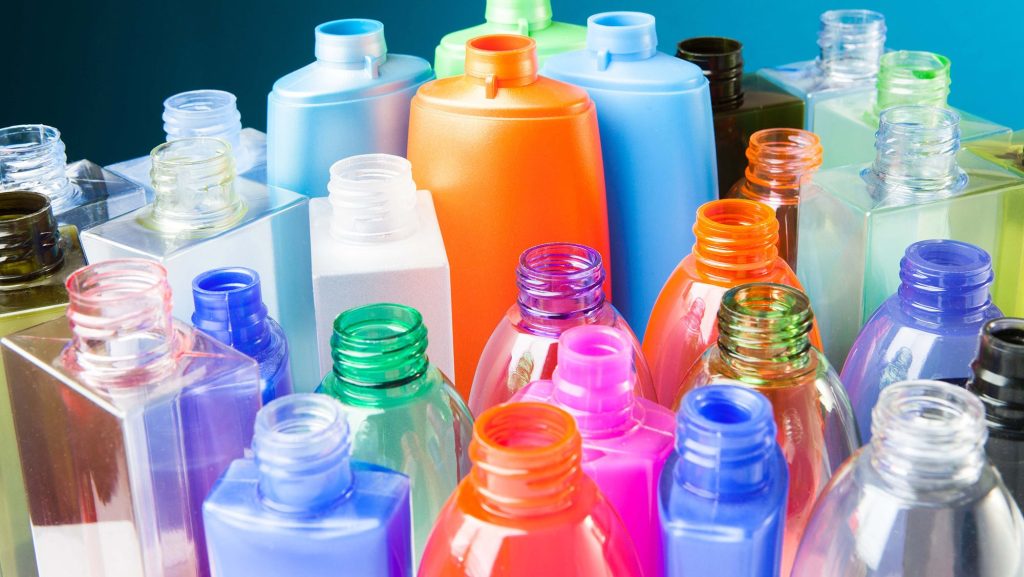
PET is primarily used for beverage bottles and food packaging. Its high transparency, low weight, and recyclability have made it one of the most popular industrial plastics worldwide.
- Applications: Water and soda bottles, food packaging, polyester fibers.
- Advantages: High transparency, good strength, easy recycling. (Sources: PET Resin Association)
ABS Engineering Plastic
ABS is an impact-resistant engineering plastic widely used in household appliances, electronic equipment, and automotive parts. Its balanced combination of strength, appearance, and processability drives its popularity.
- Applications: Car dashboards, home appliances, 3D printing, toys.
- Advantages: High impact resistance, aesthetic appeal, easy machining. (Sources: ScienceDirect)
Polyamide (PA) or Nylon
Polyamide is one of the most significant engineering plastics. Its high wear resistance and low friction coefficient make it essential for gears, bearings, and mechanical components.
- Applications: Gears, bearings, bushings, automotive parts.
- Advantages: High strength, excellent wear resistance, long lifespan. (Sources: Elsevier – Engineering Plastics Handbook)
Polycarbonate (PC)
Polycarbonate is known for its high transparency and exceptional impact resistance, used in safety glasses, medical equipment, and car headlight lenses.
- Applications: Shatterproof glass, car headlight lenses, medical devices.
Polyether Ether Ketone (PEEK); The Strongest Engineering Plastic
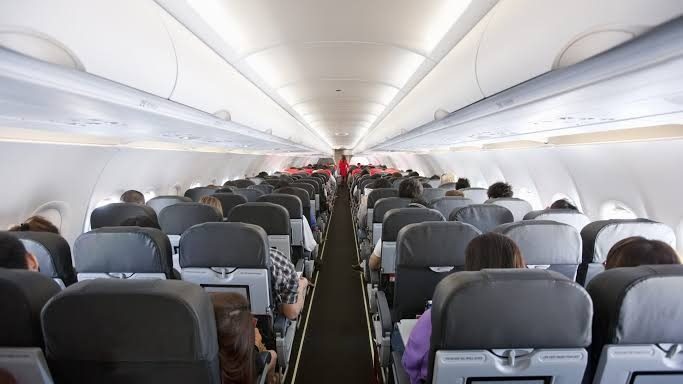
PEEK is one of the most advanced and strongest engineering plastics, utilized in aerospace, oil & gas, and medical industries. It retains its mechanical properties at high temperatures and resists many chemicals.
- Applications: Aerospace, medical equipment, oil & gas, semiconductor industries.
- Advantages: Extremely high heat resistance, excellent mechanical strength, superior chemical resistance. (Sources: Victrex, Solvay)
Quick Comparison of Common Plastics
| Plastic | Primary Use | Heat Resistance | Chemical Resistance | Strength |
|---|---|---|---|---|
| PE | Packaging | Medium | ⭐⭐⭐⭐⭐ | Medium |
| PP | Automotive | Good | ⭐⭐⭐⭐ | Good |
| PVC | Construction | Medium | ⭐⭐⭐⭐ | Good |
| PET | Bottles/Packaging | Medium | ⭐⭐⭐ | Good |
| ABS | Home Appliances | Good | ⭐⭐⭐ | Very Good |
| PA | Industrial Parts | Good | ⭐⭐⭐⭐ | Very Good |
| PC | Safety Equipment | Very Good | ⭐⭐⭐ | Very Good |
| PEEK | Aerospace/Medical | Excellent | ⭐⭐⭐⭐⭐ | Excellent |
Conclusion; Which is the Most Common and Strongest Plastic?
If global production volume is the criterion, Polyethylene (PE) is the most common and consumed plastic, dominating packaging, piping, agriculture, and container manufacturing.
Conversely, if mechanical strength, heat resistance, and performance in harsh conditions are the metrics, PEEK stands out as one of the strongest engineering plastics, serving advanced sectors like aerospace, medical implants, and oil & gas.
Ultimately, selecting the best plastic depends on the application type, environmental conditions, technical requirements, and cost. Engineers and manufacturers typically choose polymers based on a combination of mechanical, chemical, and economic properties rather than solely on strength or consumption volume.
Polyethylene (PE) is the most common and consumed plastic globally due to its economic price, lightweight nature, high chemical resistance, and recyclability. It is widely used in packaging, water/gas pipes, and storage tanks.
Polyether Ether Ketone (PEEK) is recognized as one of the strongest and most advanced engineering plastics. It retains mechanical properties at very high temperatures and, due to exceptional chemical and wear resistance, is used in sensitive industries like aerospace, oil & gas, and medical implants.
Polyethylene Terephthalate (PET), Polypropylene (PP), and Polyethylene (PE) are among the safest and most common types of plastics for direct food contact. These polymers are free from harmful toxins (like BPA in food-grade variants), possess suitable chemical resistance, and are easily recyclable.