Raw materials are the foundation of modern manufacturing. From the tires on your car to the packaging on your desk, rubber, plastic, and chemical compounds are behind nearly every industrial product in use today. This guide provides a technical overview of the major categories of raw materials that Hamiico imports and supplies to manufacturers across Iran and the Middle East.

1. Natural Rubber
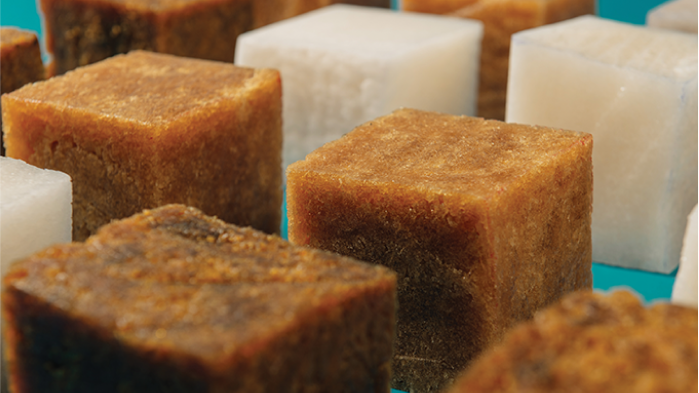
Natural rubber is derived from the latex of Hevea brasiliensis trees, primarily grown in Southeast Asia. It is valued for its high elasticity, tensile strength, and resistance to abrasion and tearing — properties that are difficult to replicate in synthetic alternatives.
Natural rubber is available in several technically graded forms:
SMR (Standard Malaysian Rubber) is a technically specified grade produced in Malaysia under controlled processing conditions. It is used extensively in tire manufacturing, conveyor belts, and molded industrial goods. SMR grades are defined by dirt content, ash content, nitrogen, and viscosity.
RSS (Ribbed Smoked Sheet) is produced by coagulating fresh latex, rolling it into sheets, and smoke-drying it. RSS1 is the highest quality grade, offering excellent elasticity and is widely used in tires, footwear, gaskets, and general rubber goods.
Latex is natural rubber in its liquid colloidal form. It is used in the production of surgical gloves, foam mattresses, carpet backing, and adhesives. High-ammonia and low-ammonia grades are available depending on the application.
Primary industries: Tire manufacturing, automotive components, footwear, adhesives, foam products.
Explore Hamiico’s Natural Rubber products →
2. Synthetic Rubber
Synthetic rubbers are petroleum-derived elastomers engineered to offer specific performance properties that natural rubber cannot always provide — such as resistance to oils, extreme temperatures, UV radiation, and ozone.
NBR (Nitrile Butadiene Rubber) is the most widely used oil-resistant rubber. Its acrylonitrile content (typically 18–50%) determines the balance between oil resistance and low-temperature flexibility. NBR is the material of choice for automotive gaskets, fuel hoses, O-rings, and industrial seals.
EPDM (Ethylene Propylene Diene Monomer) offers outstanding resistance to weathering, UV, ozone, and steam. It is widely used in automotive door and window seals, roofing membranes, and electrical cable insulation. EPDM does not perform well in contact with petroleum-based oils.
CR (Chloroprene Rubber / Neoprene) combines good mechanical properties with resistance to flame, oil, and weather. It is used in industrial hoses, conveyor belts, electrical cables, and protective equipment.
Silicone Rubber operates across an extreme temperature range (−60°C to +230°C) and offers excellent biocompatibility. Available in Shore 30A (soft, flexible) and Shore 70A (firm, structural) grades. Used in medical devices, food-grade seals, electrical insulation, and high-temperature industrial applications.
HSR (High Styrene Rubber) is a hard rubber compound based on SBR with elevated styrene content. It offers improved hardness and abrasion resistance, making it suitable for flooring, hard soles, and durable rubber goods.
Primary industries: Automotive, construction, electrical, medical, footwear, industrial sealing.
Explore Hamiico’s Synthetic Rubber products →
3. Chemicals
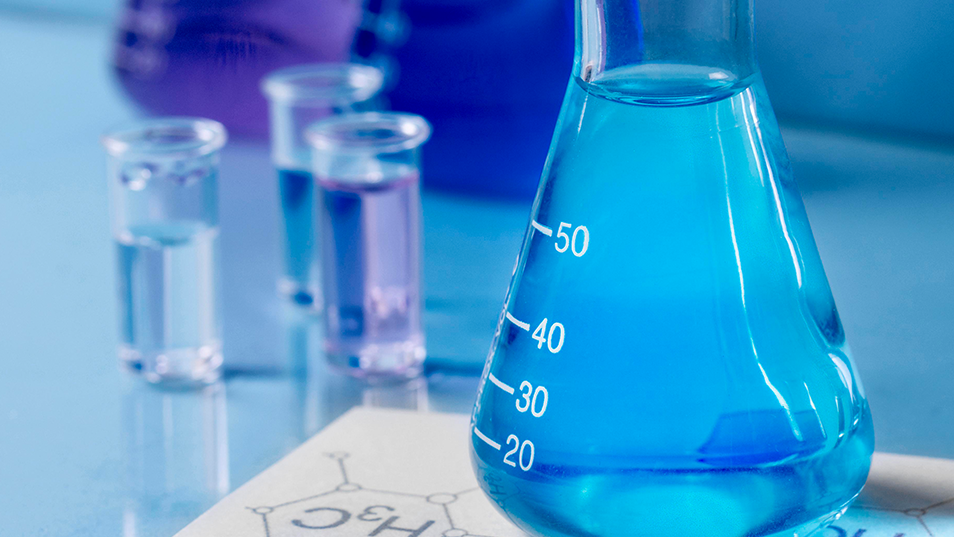
Industrial chemicals serve as functional ingredients in rubber and plastic processing, enabling vulcanization, bonding, plasticization, and surface treatment.
DOP (Dioctyl Phthalate) is the most widely used primary plasticizer for PVC. It improves flexibility, softness, and low-temperature performance in cables, flooring, hoses, and coated fabrics.
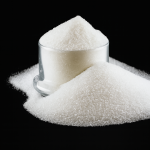
Stearic Acid is a saturated fatty acid that acts as an activator in rubber vulcanization (in combination with zinc oxide), and as a lubricant and release agent in rubber and plastic processing.
Chemosil 211 & 222 are Henkel’s industry-standard adhesive system for rubber-to-metal bonding. Chemosil 211 is the primer coat; Chemosil 222 is the covercoat. Together they form durable bonds used in automotive mounts, vibration isolators, and industrial bushings.
DOP (Dioctyl Phthalate) is the primary plasticizer in PVC processing, improving flexibility and durability across a wide temperature range.
MMA (Methyl Methacrylate) is a monomer used to produce PMMA (acrylic glass) and acrylic resins, with applications in coatings, adhesives, and construction materials.
IPA (Isopropyl Alcohol) is a fast-evaporating solvent used for cleaning, degreasing, and as a processing aid in electronics, pharmaceuticals, and industrial manufacturing.
Acetone is a highly versatile solvent compatible with most polymers and resins, used widely in surface preparation, adhesive formulation, and chemical synthesis.
Adipic Acid is the key monomer in nylon 6,6 production and is also used in polyurethanes, plasticizers, and food acidulants.
Phenol is a fundamental building block in resin chemistry (phenol-formaldehyde resins), used in laminates, adhesives, and surface coatings.
Primary industries: PVC processing, rubber manufacturing, automotive bonding, coatings, adhesives.
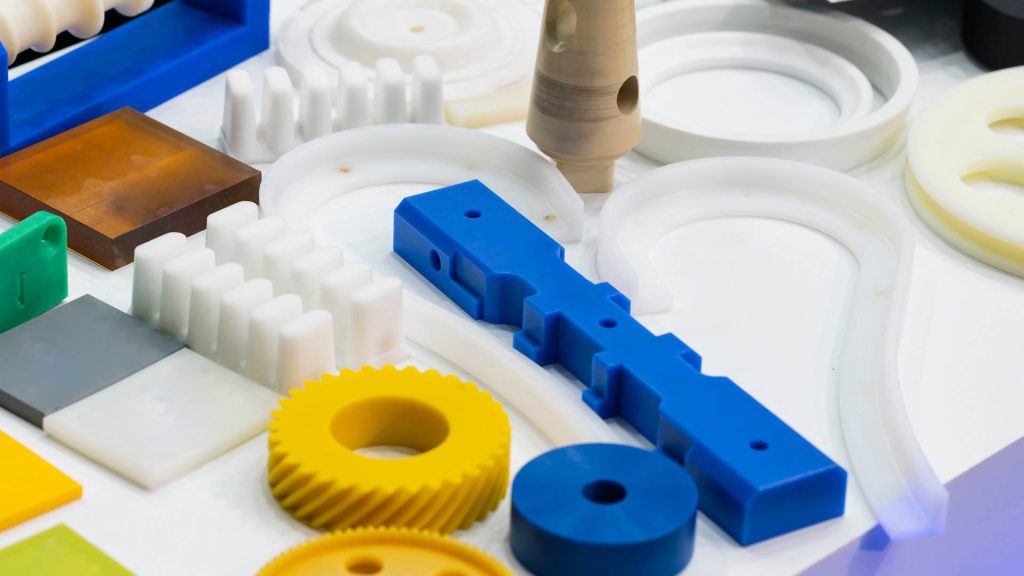
4. Plastics (Engineering Thermoplastics)
Engineering thermoplastics are high-performance polymers designed for structural and functional applications that demand mechanical strength, dimensional stability, and thermal resistance.
PA6 and PA66 (Polyamide / Nylon) are among the most widely used engineering plastics. PA66 offers higher stiffness and heat resistance; PA6 offers better impact resistance and processability. Both are used in automotive under-hood components, gears, electrical connectors, and textile fibers.
PA6 GF30 and PA66 GF30 are glass-fiber reinforced grades offering significantly improved stiffness and dimensional stability for structural applications under mechanical and thermal load.
POM (Polyoxymethylene / Acetal) offers exceptionally low friction, high stiffness, and excellent dimensional stability. It is the preferred material for precision mechanical parts such as gears, bearings, fasteners, and conveyor components.
PC (Polycarbonate) is an optically clear, impact-resistant thermoplastic used in automotive lighting, safety glazing, electronic housings, and medical devices.
TPU (Thermoplastic Polyurethane) bridges the gap between rigid plastics and flexible rubbers. It offers abrasion resistance, flexibility, and chemical resistance, and is used in footwear, automotive interior trim, hoses, and industrial films.
EVA (Ethylene Vinyl Acetate) is a flexible, rubber-like plastic with excellent clarity and cushioning properties. Used in footwear midsoles, hot-melt adhesives, packaging films, and foam products. Available in VS430 and VA910 grades with varying vinyl acetate content.
PVA (Polyvinyl Alcohol) is a water-soluble polymer used in adhesives, textile sizing, paper coatings, and packaging films.
Primary industries: Automotive, electronics, footwear, medical, packaging, precision engineering.
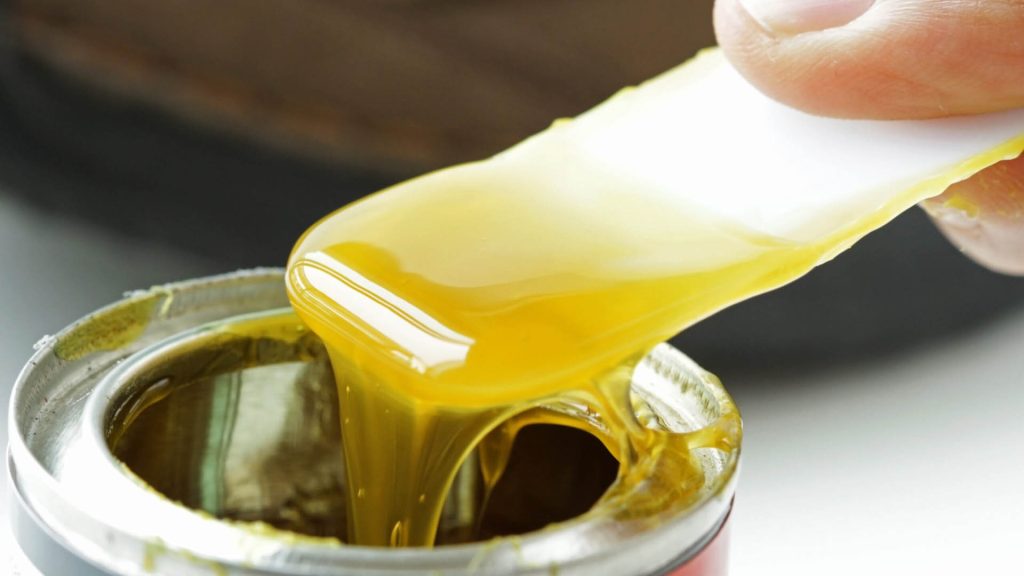
5. Hydrocarbon Resins
Hydrocarbon resins are low-molecular-weight thermoplastic polymers used primarily as tackifiers and performance modifiers in adhesives, rubber compounds, coatings, and printing inks.
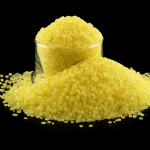
C5 (Aliphatic) Resins are light-colored resins derived from C5 petroleum fractions. They offer excellent tackifying performance in pressure-sensitive adhesives, rubber compounding, and road marking paints.
C9 (Aromatic) Resins are derived from C9 petroleum fractions and offer higher softening points and stronger adhesion than C5 resins. Used in printing inks, coatings, and rubber compounding.
C5/C9 Blended Resins combine the properties of both to achieve balanced tackiness, compatibility, and thermal performance.
Coumarone Resin is a dark thermoplastic resin derived from coal tar distillation. It enhances tack, flexibility, and processability in rubber compounds, bituminous coatings, and industrial adhesives.
Primary industries: Adhesives, rubber compounding, coatings, printing inks, road construction.
Explore Hamiico’s Hydrocarbon Resins →
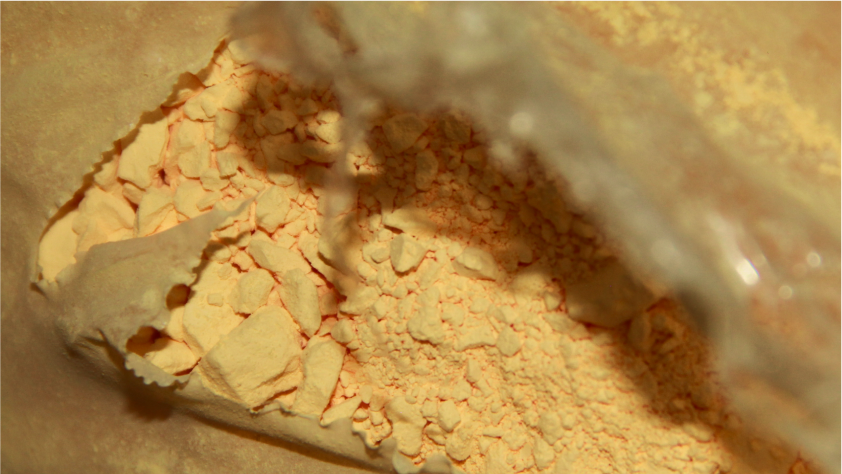
6. Additives
Polymer additives modify the processing and final properties of rubber and plastic compounds. They are used in small quantities but have a significant impact on product performance.
DCP (Dicumyl Peroxide) is an organic peroxide crosslinking agent used in EPDM, silicone, EVA, and polyethylene compounds. It improves heat resistance, mechanical strength, and compression set resistance compared to sulfur-based vulcanization systems.
AZO (Azodicarbonamide) is a chemical blowing agent that decomposes at 195–200°C to release nitrogen gas, creating uniform cellular structures in foam rubber and plastic products. Used in shoe soles, automotive seals, and insulation panels.
Ultrasil (Precipitated Silica) is a reinforcing filler that improves tensile strength, tear resistance, and abrasion resistance in rubber compounds. In tire tread compounds, it reduces rolling resistance and improves wet grip — the basis of “green tire” technology.
PVI (Pre-Vulcanization Inhibitor / Cyclohexylthiophthalimide) extends scorch time during rubber processing, giving manufacturers a wider processing window and reducing the risk of premature vulcanization.
Primary industries: Rubber compounding, foam production, tire manufacturing, cable insulation.
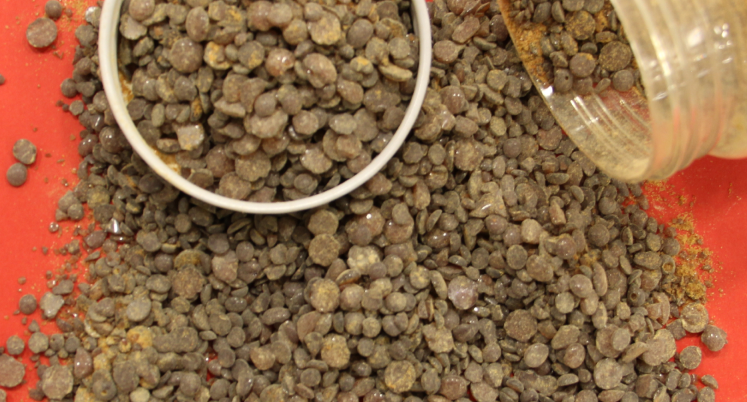
7. Antioxidants
Rubber antioxidants and antidegradants protect vulcanized compounds from degradation caused by heat, oxygen, ozone, UV radiation, and dynamic fatigue. They are essential for extending the service life of tires, seals, hoses, and industrial rubber goods.
TMQ (Polymerized 2,2,4-trimethyl-1,2-dihydroquinoline) is a general-purpose antioxidant that provides protection against heat aging and oxidative degradation. It is one of the most widely used rubber antioxidants globally.
6PPD (N-(1,3-dimethylbutyl)-N’-phenyl-p-phenylenediamine) provides superior protection against ozone cracking and dynamic fatigue. It is standard in tire sidewall and tread compounds.
IPPD (N-isopropyl-N’-phenyl-p-phenylenediamine) is a paraphenylenediamine antioxidant providing strong antiozonant and antioxidant activity, particularly in static and semi-dynamic applications.
Primary industries: Tire manufacturing, automotive rubber parts, industrial hoses, conveyor belts.
Explore Hamiico’s Antioxidants →
8. Accelerators
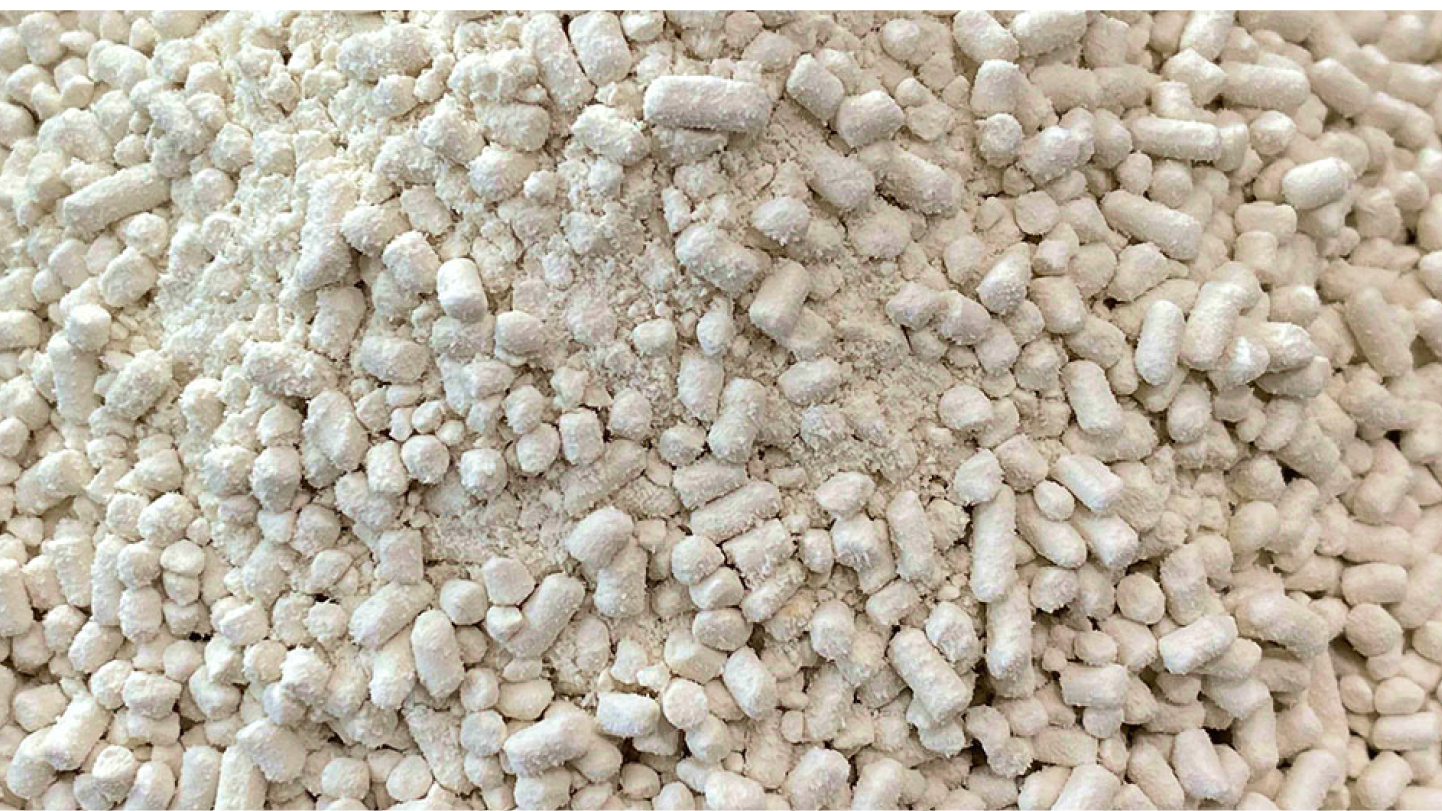
Vulcanization accelerators control the rate and efficiency of the crosslinking reaction between rubber molecules and sulfur. Accelerator selection determines cure speed, scorch safety, crosslink density, and final mechanical properties.
CBS (N-cyclohexyl-2-benzothiazolesulfenamide) is a primary sulfenamide accelerator offering delayed onset and fast curing. It is the most widely used accelerator in tire manufacturing and high-performance rubber goods.
MBT (2-Mercaptobenzothiazole) is a versatile thiazole accelerator used in natural and synthetic rubbers. It offers moderate cure speed and good processing safety, and is also used as a corrosion inhibitor.
MBTS (Dibenzothiazyl Disulfide) is a slower-acting thiazole accelerator that provides good scorch safety and processing stability, suitable for a wide range of molded and extruded applications.
TMTD (Tetramethylthiuram Disulfide) is an ultra-fast accelerator and sulfur donor used in low-sulfur and sulfurless vulcanization systems. It is commonly used as a secondary accelerator alongside sulfenamides in tire compounds.
DPG (Diphenylguanidine) is a secondary accelerator used in combination with thiazoles and sulfenamides to improve curing efficiency, particularly in silica-filled compounds where it acts as a silane coupling activator.
Primary industries: Tire manufacturing, automotive seals, industrial rubber goods, cable insulation.
Explore Hamiico’s Accelerators →
Summary: Raw Material Selection by Industry
| Industry | Key Materials |
|---|---|
| Tire Manufacturing | SMR, RSS, NBR, EPDM, CBS, TMQ, 6PPD, Ultrasil, C5 Resin |
| Automotive Seals & Hoses | NBR, EPDM, CR, DCP, IPPD, MBT, Chemosil |
| Footwear | EVA, TPU, Natural Rubber Latex, AZO, C5 Resin |
| Adhesives & Bonding | C5/C9 Resin, Coumarone, Chemosil 211/222, PVA |
| Plastics Processing | DOP, PA6, PA66, POM, PC, TPU, Stearic Acid |
| Construction | EPDM, C9 Resin, Coumarone, IPA, Phenol |
| Electronics & Cable | Silicone, EPDM, DCP, PA66 GF30, PC |
| Foam Products | AZO, EVA, Natural Rubber Latex, DCP |
About Hamiico
Hamiico (Faratech Parsian Co.) has been importing and supplying rubber, plastic, and chemical raw materials to Iranian industry since 2010. We source materials directly from certified manufacturers across Southeast Asia, Europe, and China, and supply manufacturers across Iran and the broader Middle East region.
For product availability, technical specifications, or pricing inquiries, contact our team at info@hamiico.com or visit our products page.
FAQ
Rubber raw materials are divided into natural rubber (SMR, RSS, Latex) and synthetic rubbers (NBR, EPDM, Silicone, CR, HSR). Each category offers different mechanical and chemical properties suited to specific industrial applications.
Natural rubber is derived from Hevea brasiliensis trees and offers superior elasticity and tensile strength. Synthetic rubbers are petroleum-derived and engineered for specific performance properties such as oil resistance (NBR), weather resistance (EPDM), or high-temperature stability (Silicone).
Common engineering plastics in automotive applications include PA6, PA66, POM, PC, and TPU. These materials offer high strength, dimensional stability, and heat resistance required for under-hood components, gears, connectors, and interior trim.
Hamiico (Faratech Parsian Co.) imports and distributes natural rubber, synthetic rubber, plastics, hydrocarbon resins, additives, antioxidants, and accelerators to manufacturers across Iran and the Middle East directly from certified producers in Asia.